farm school at enchanted wood preschool
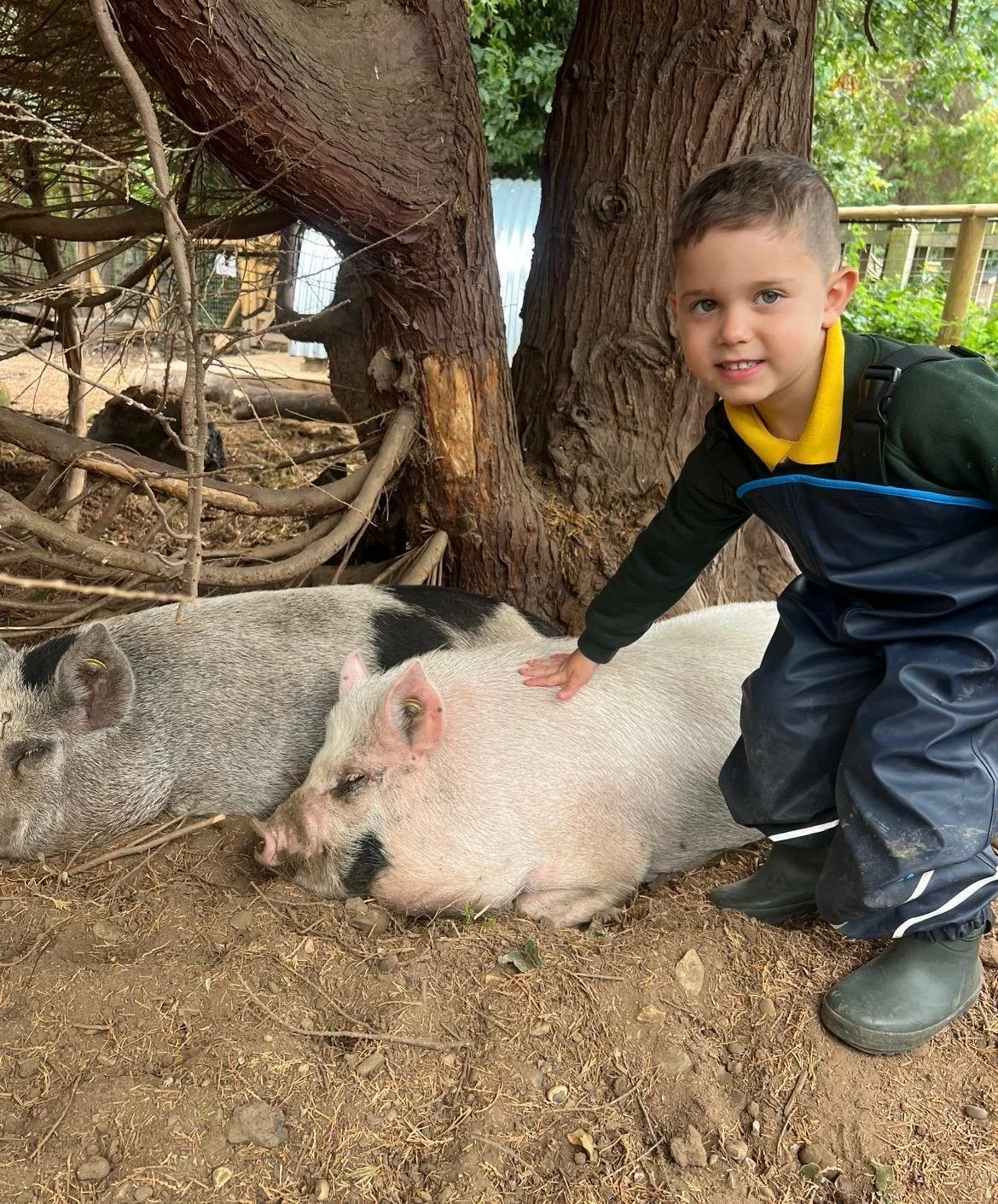
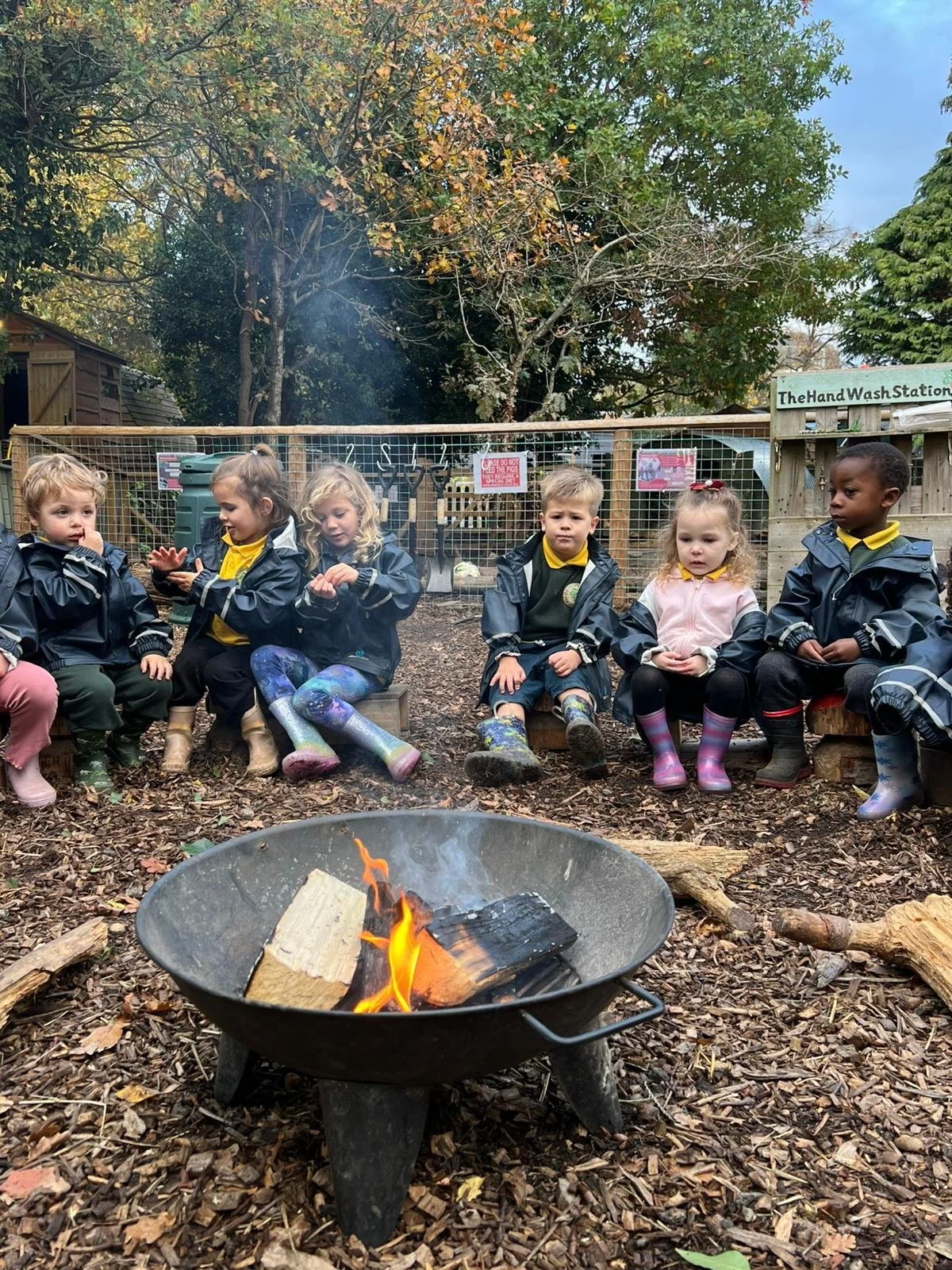
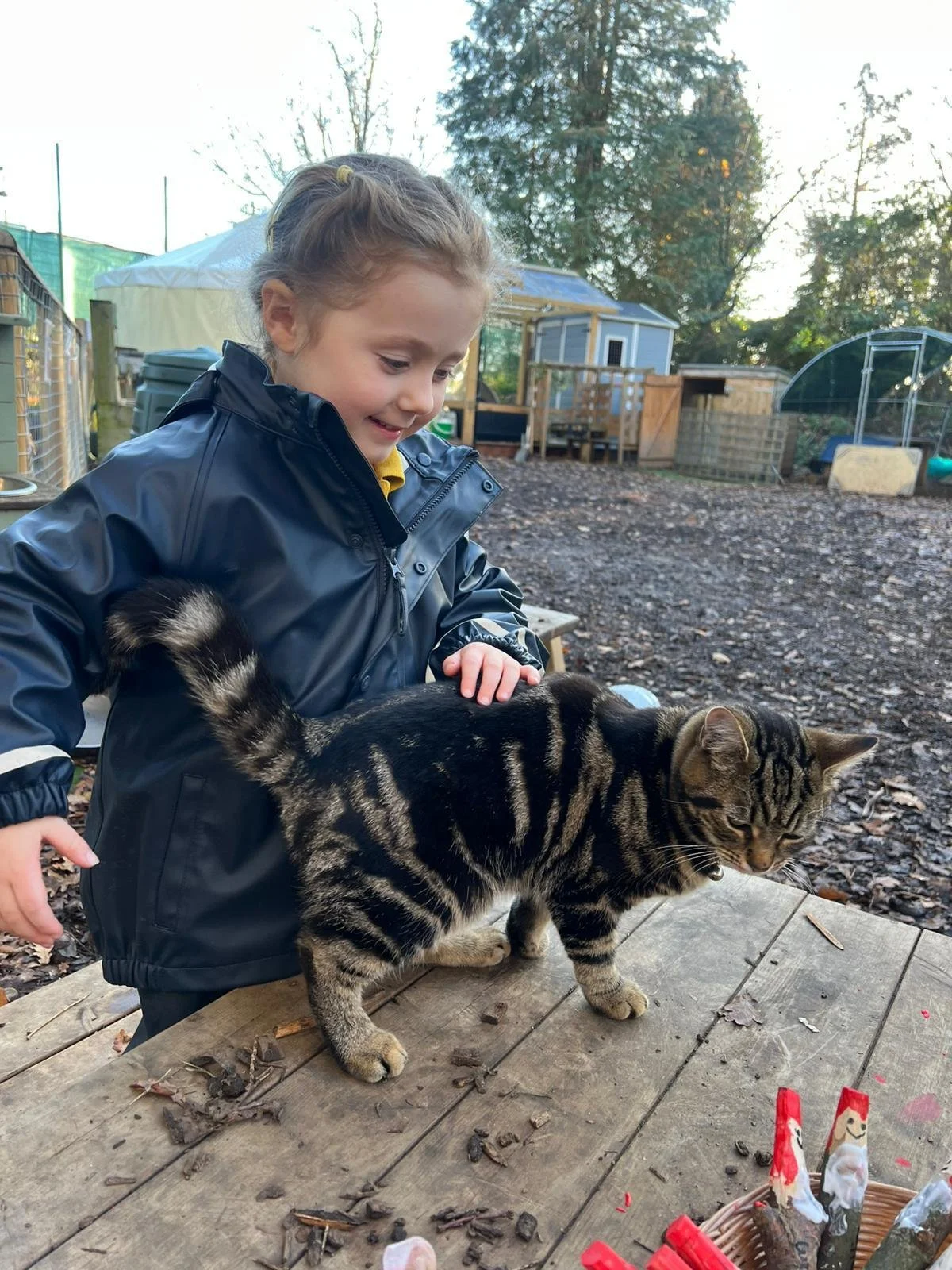
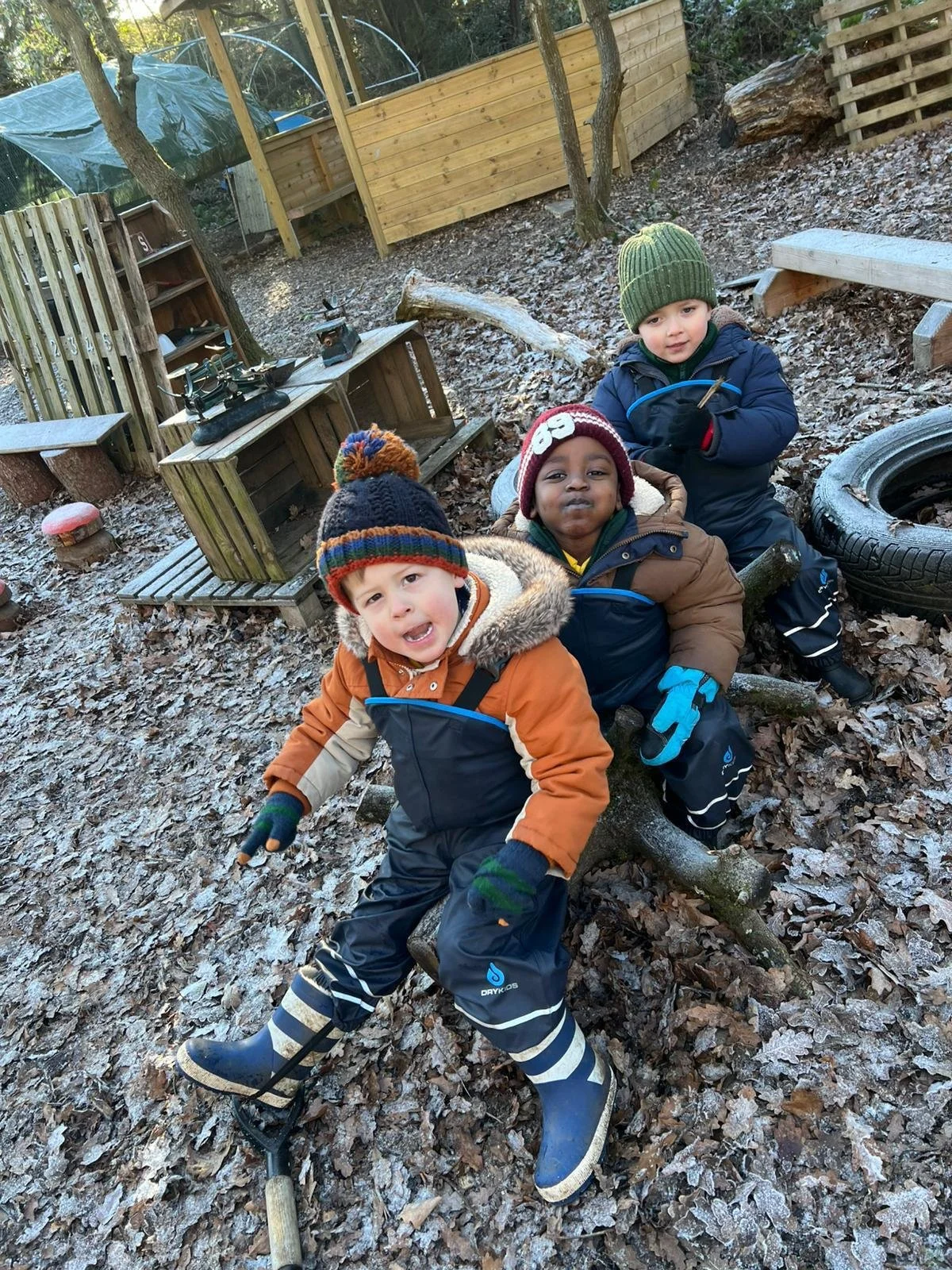
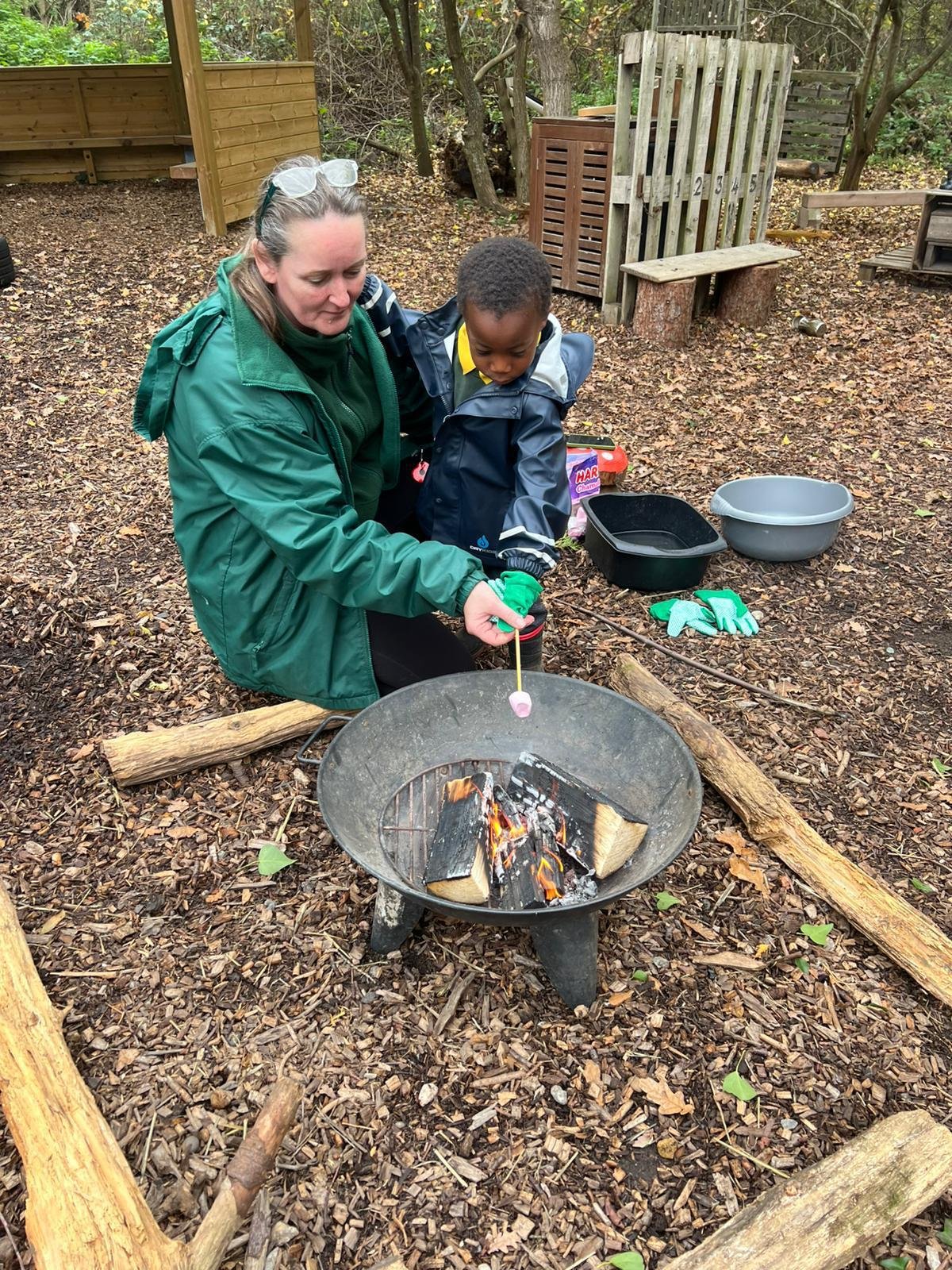
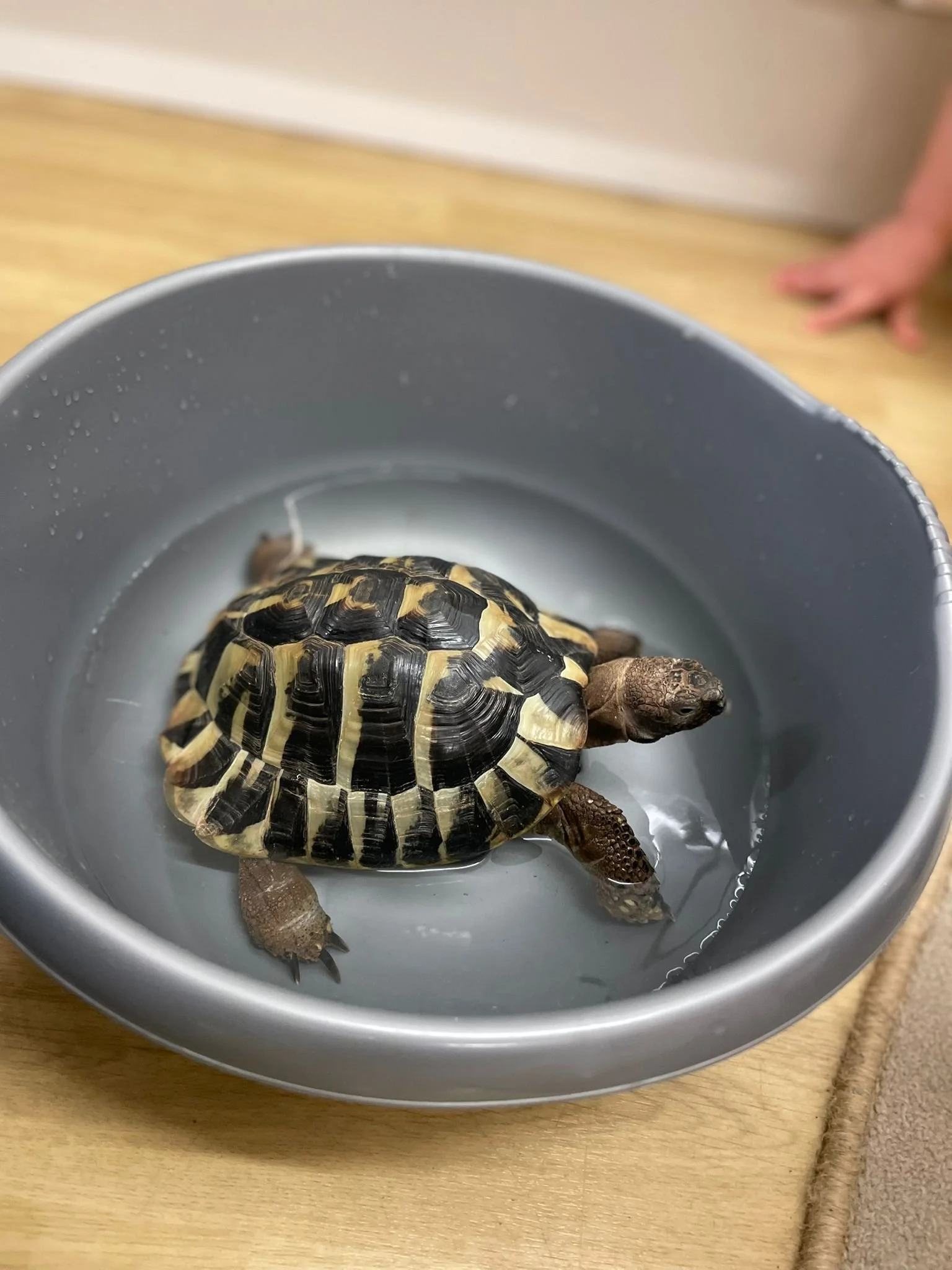
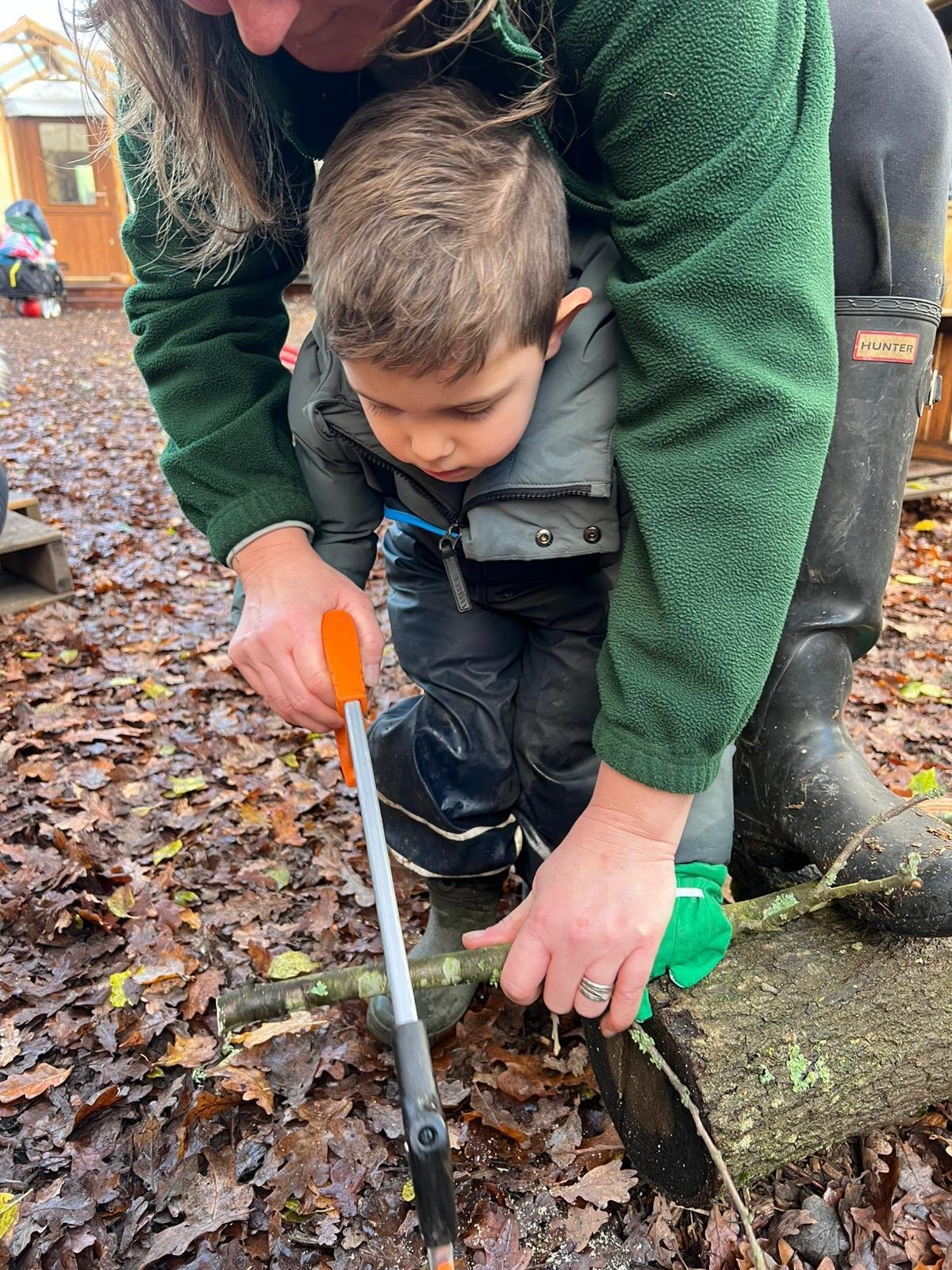
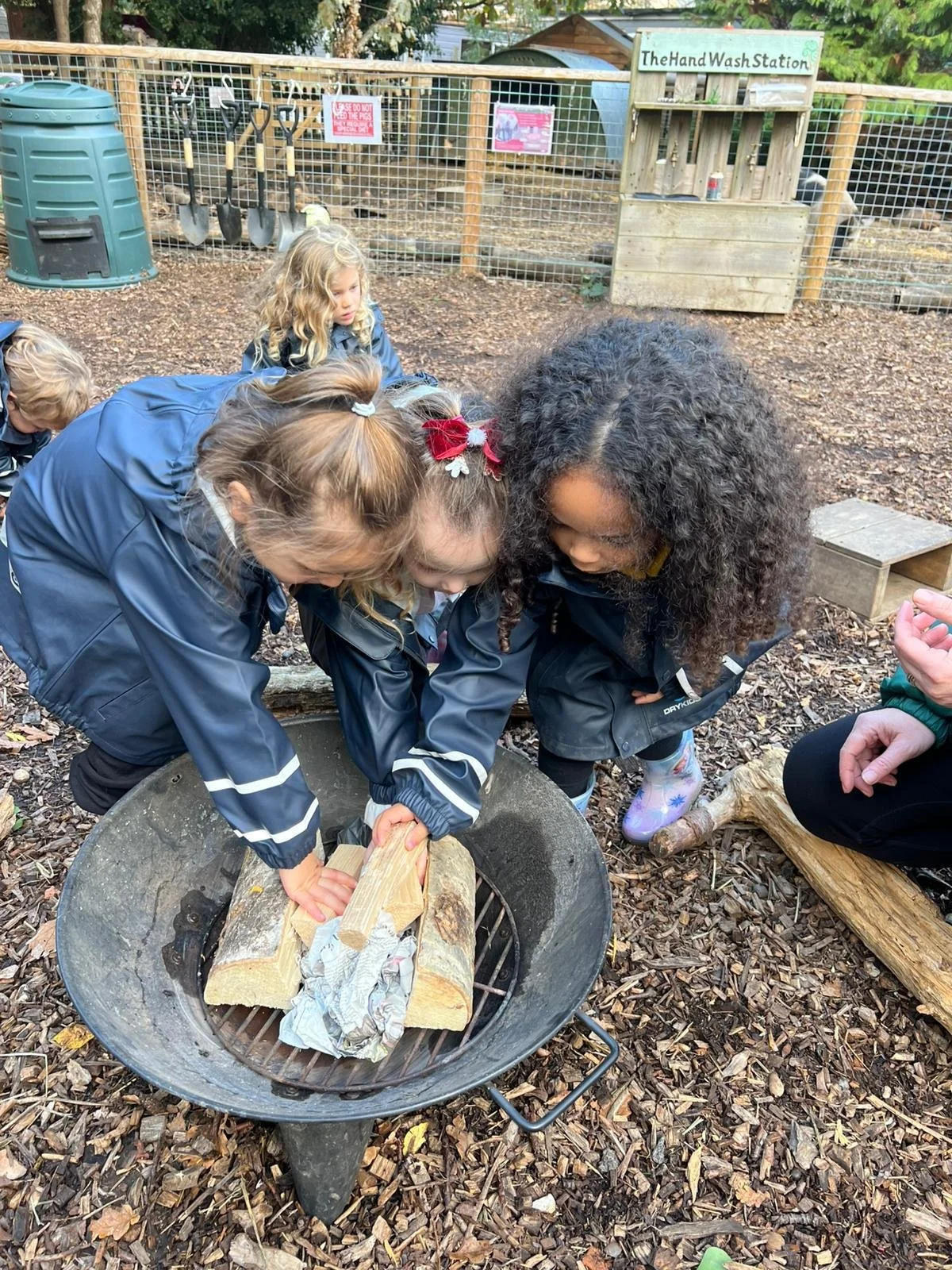
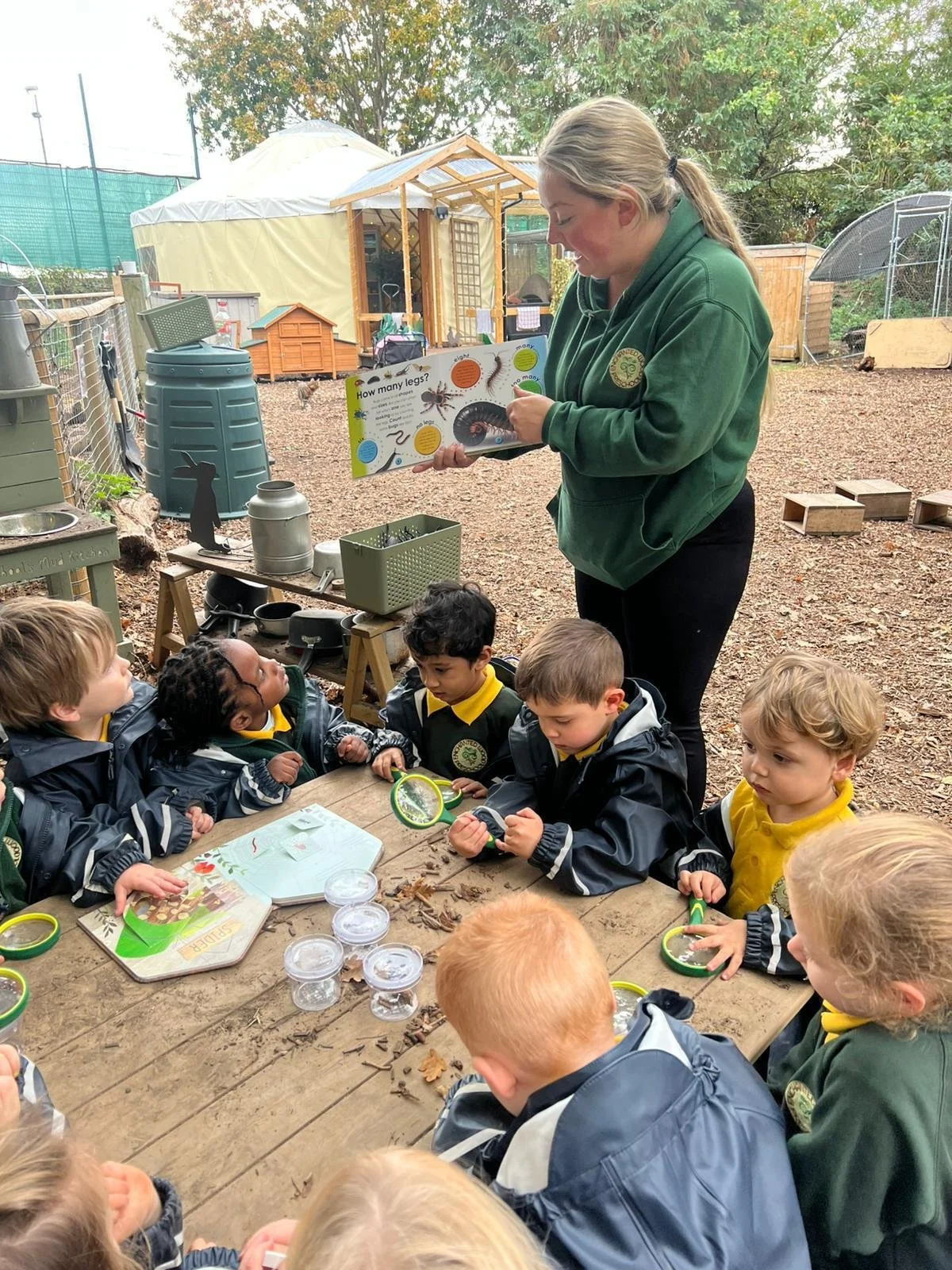
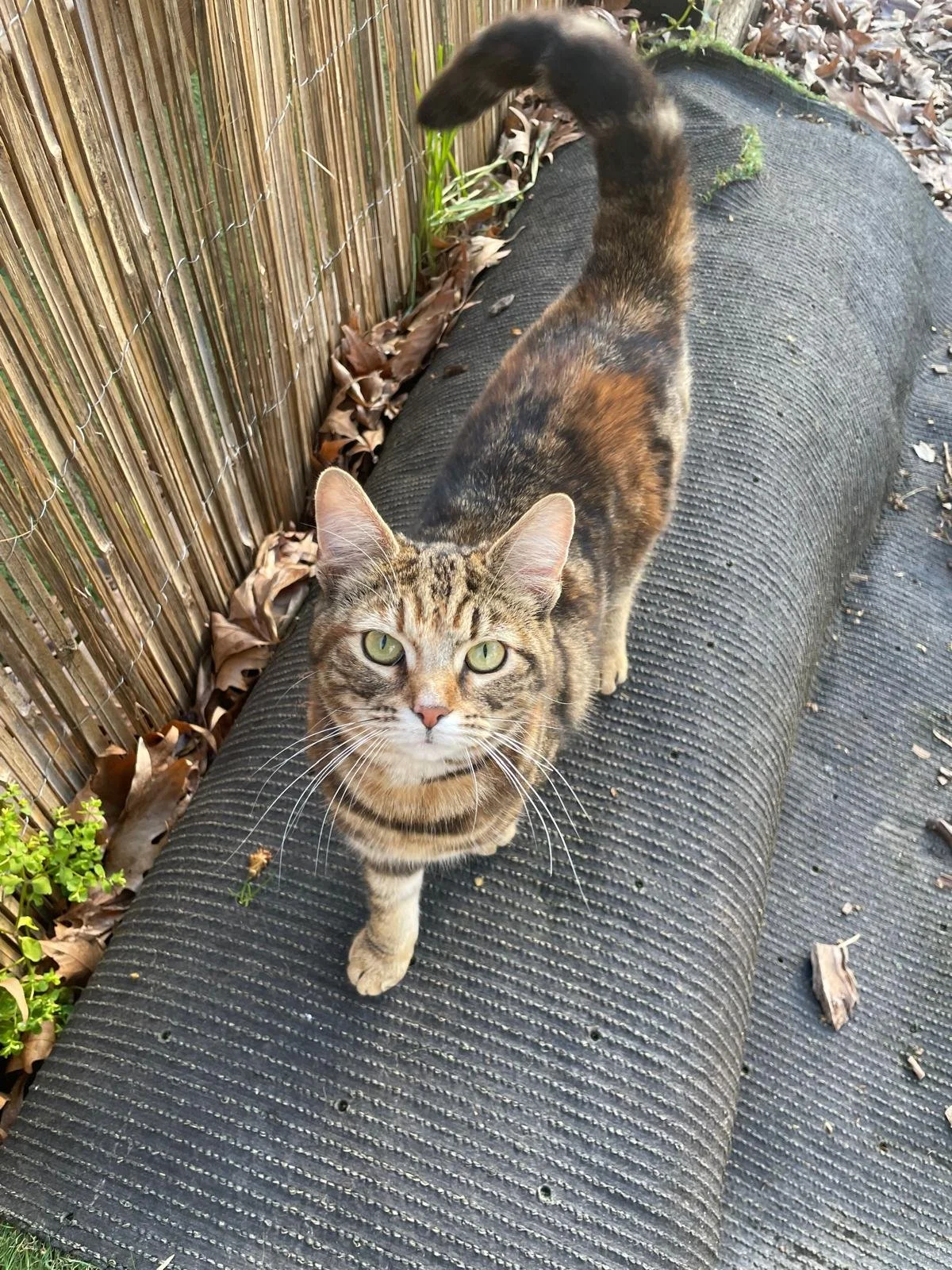
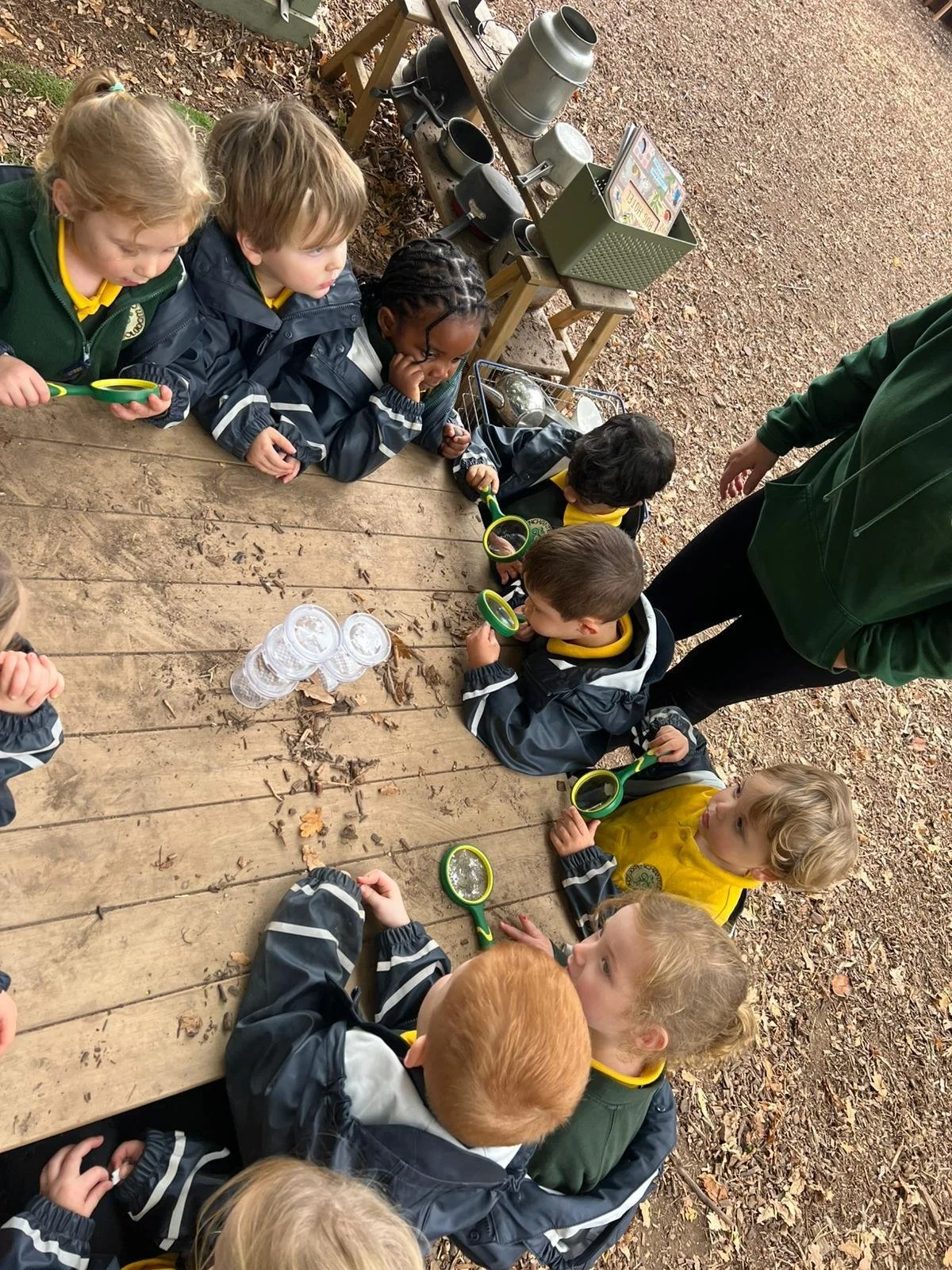
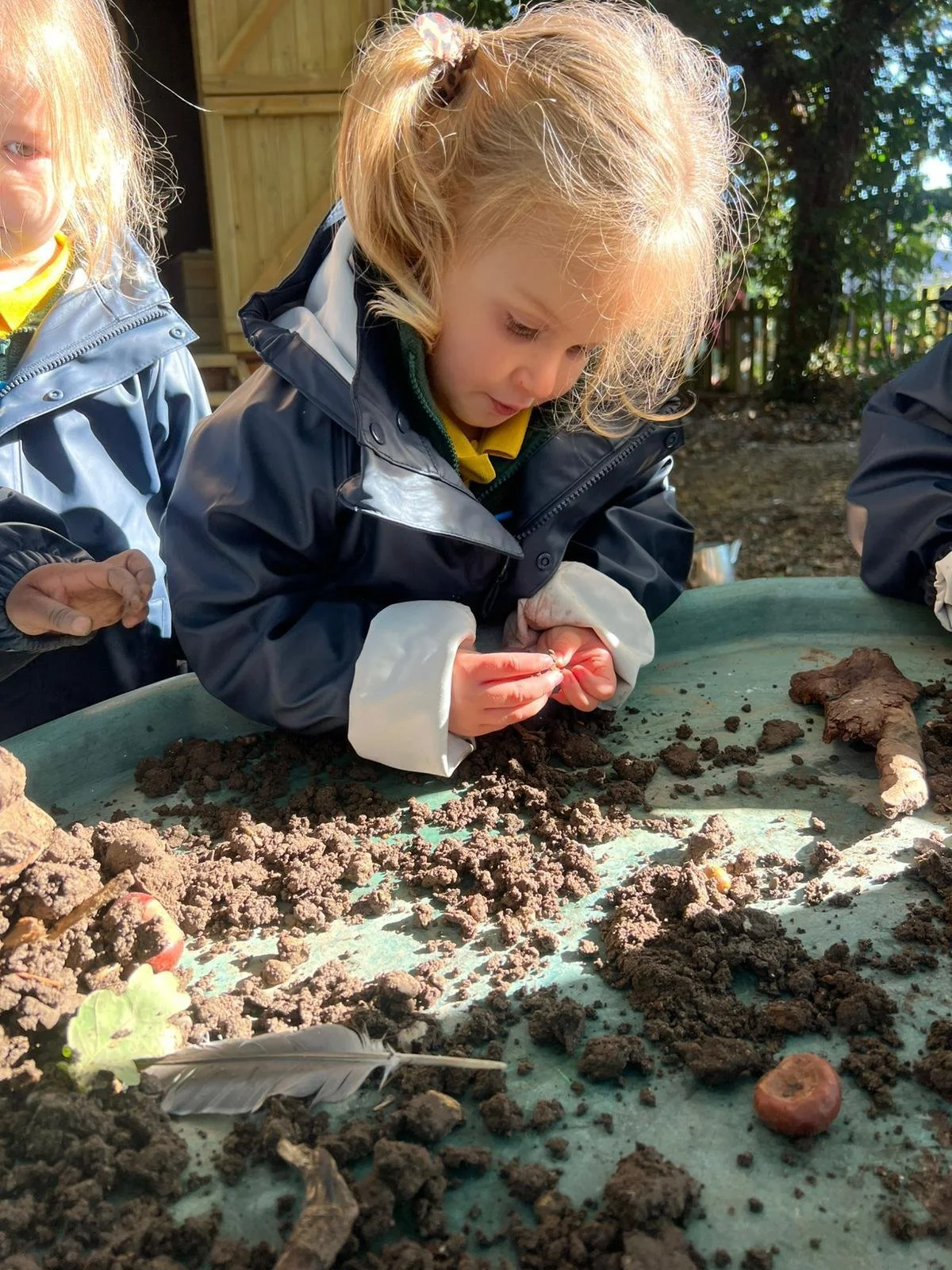
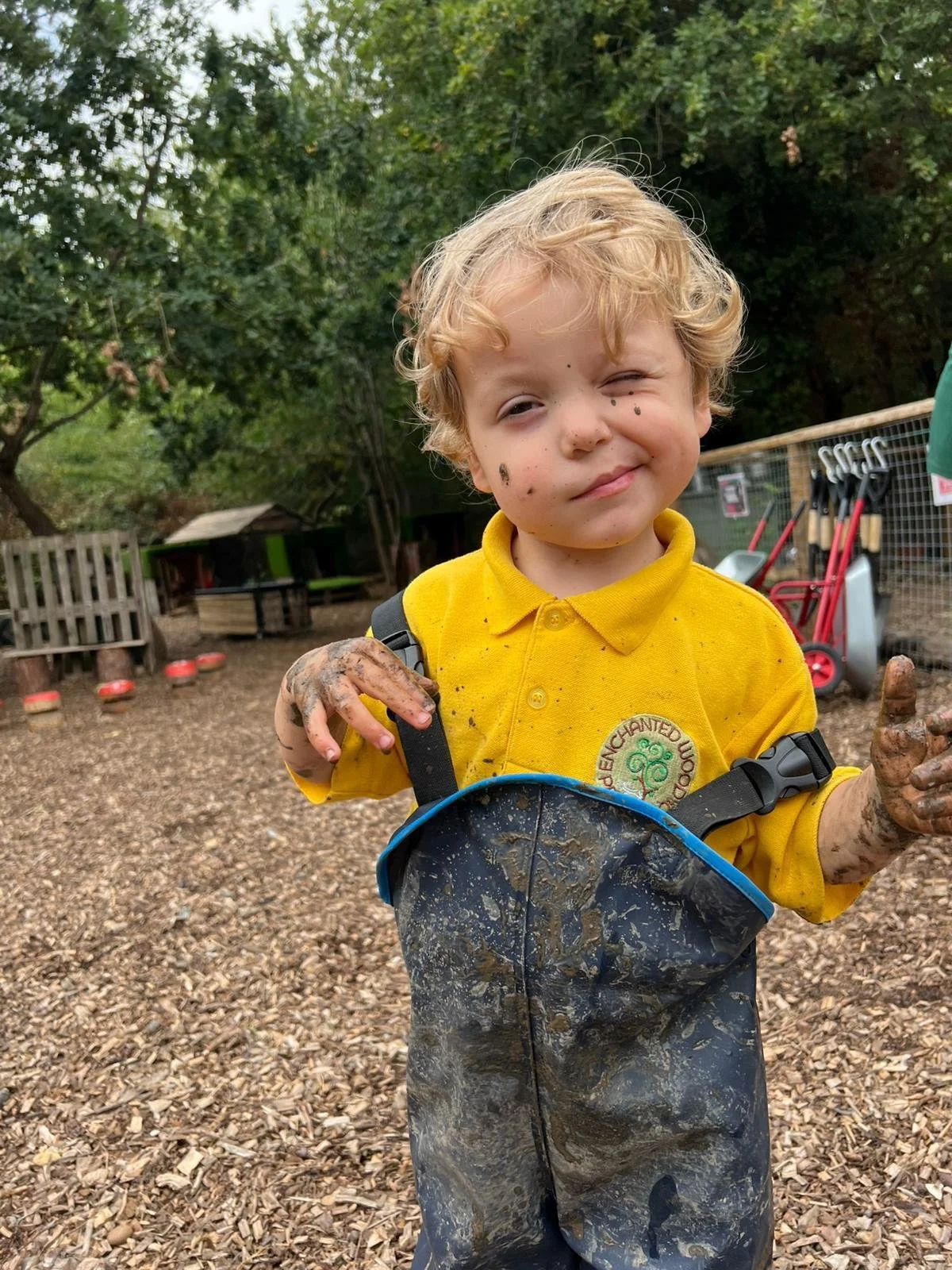
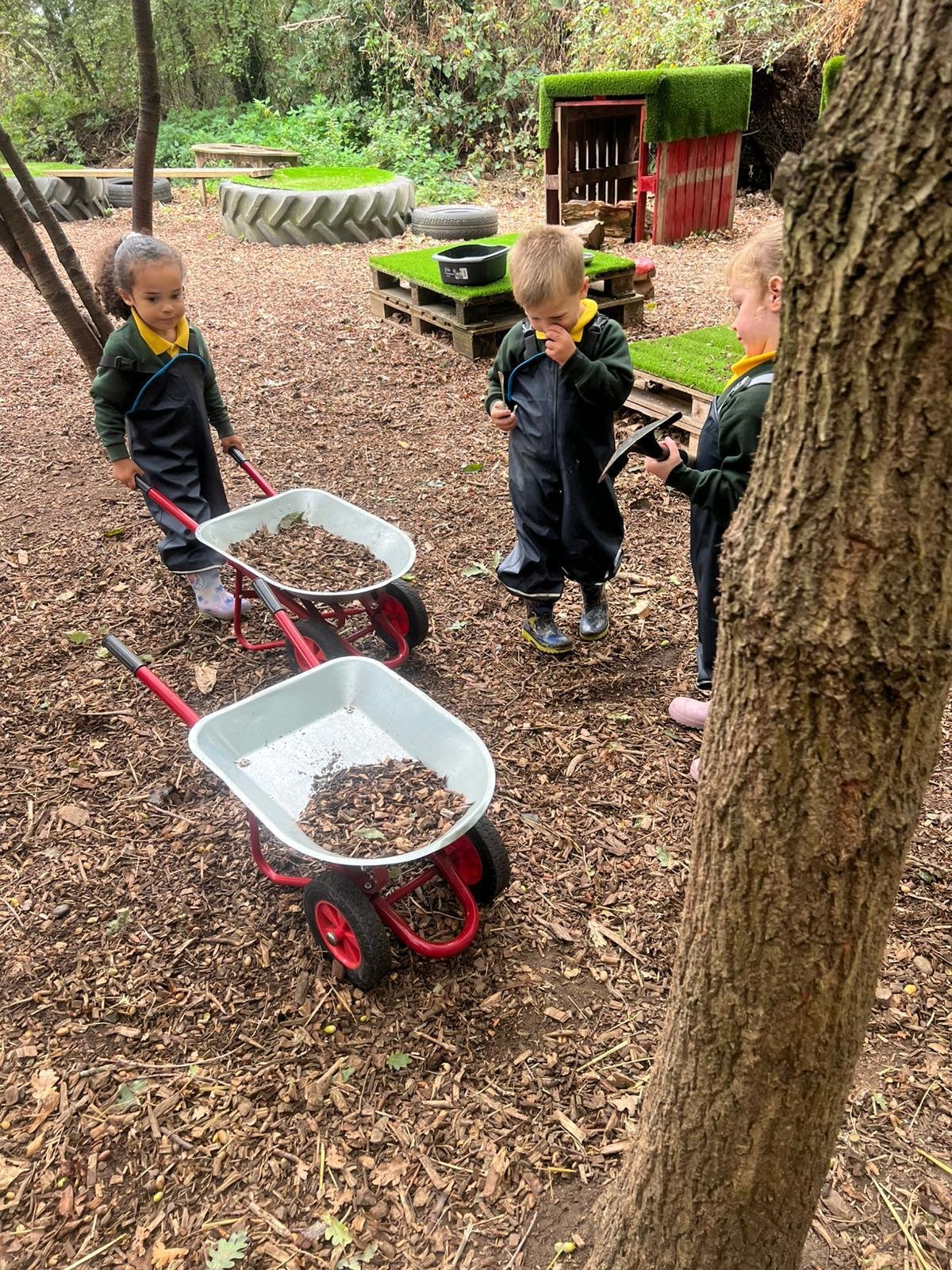
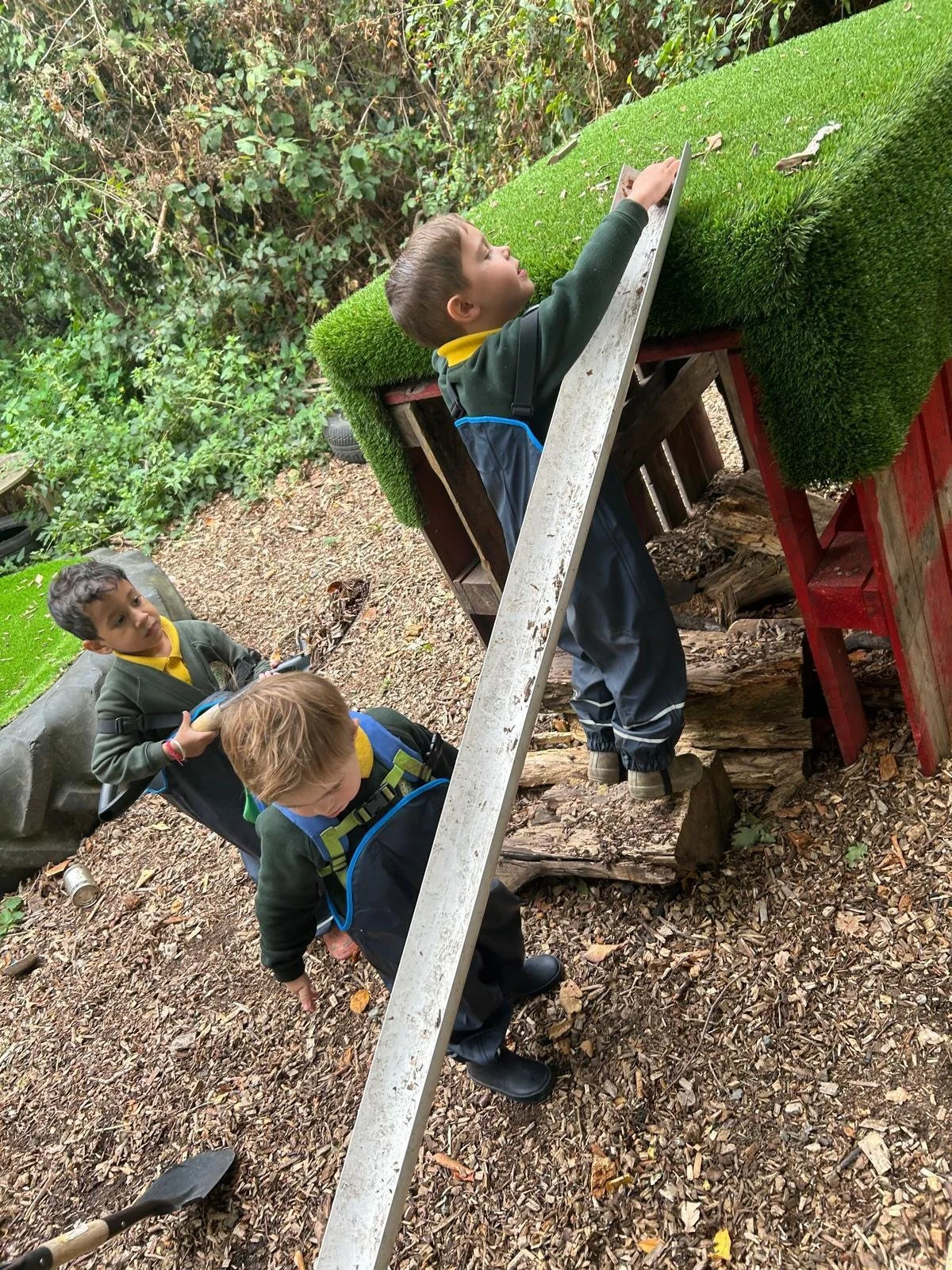
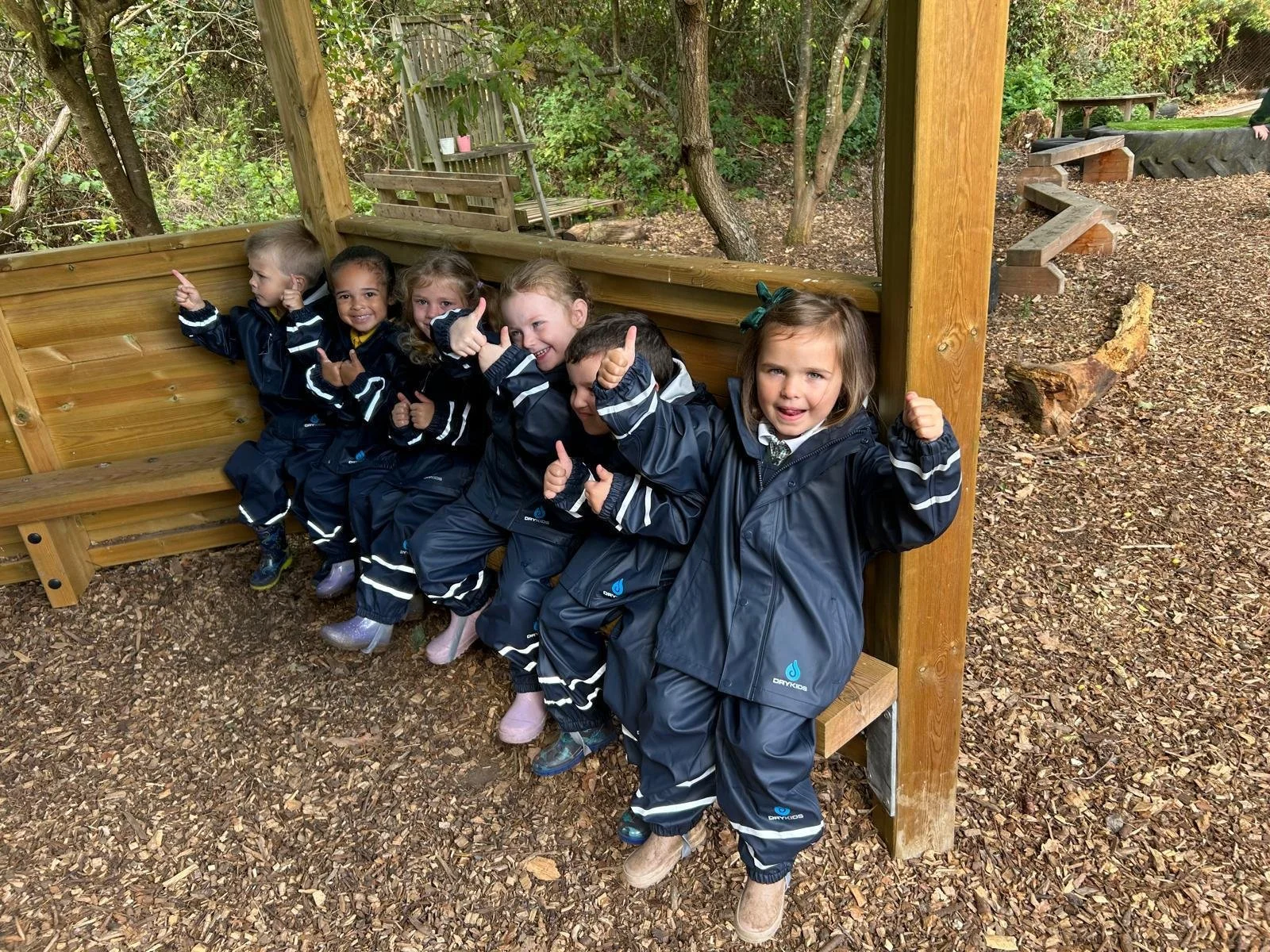
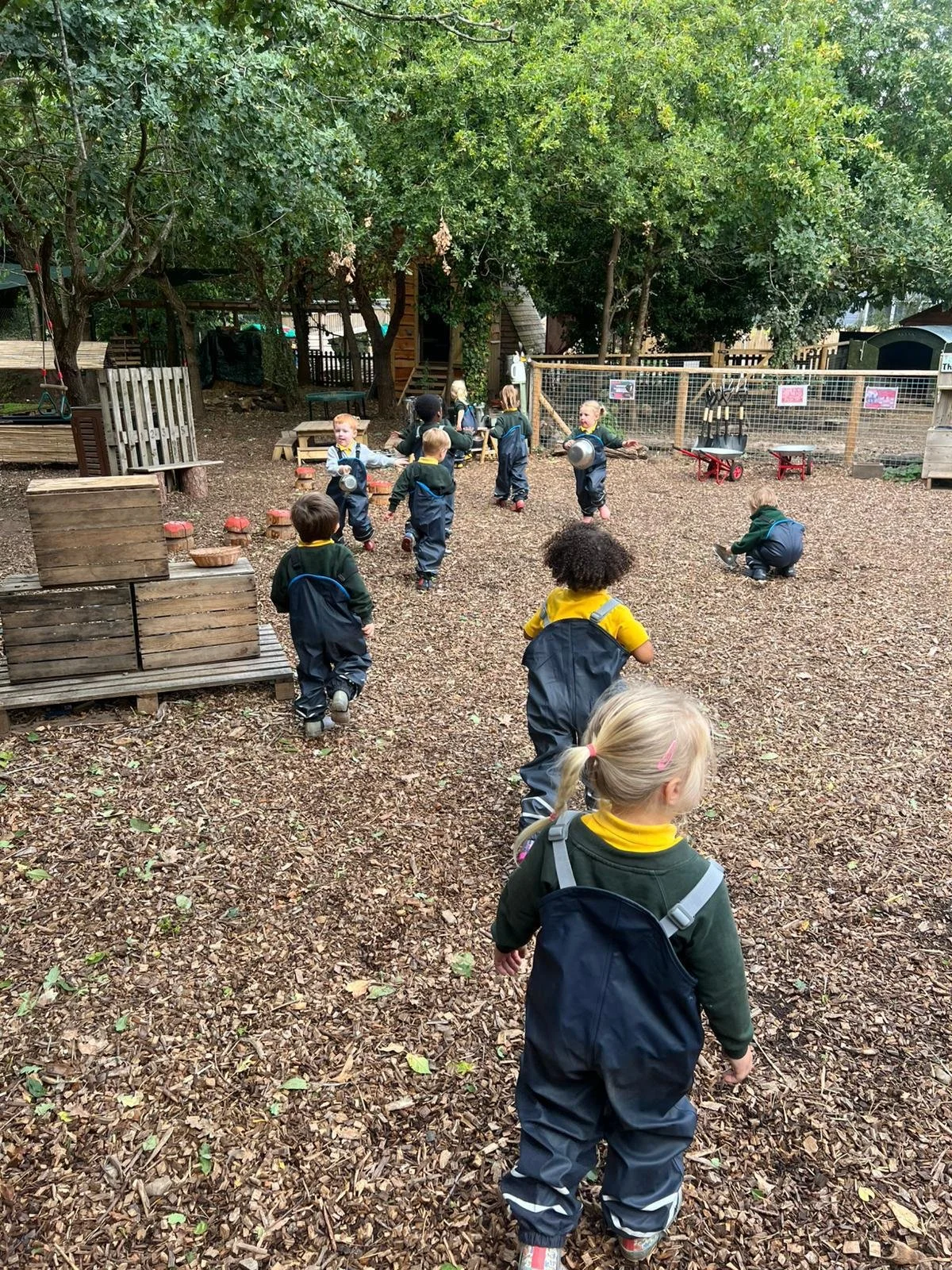
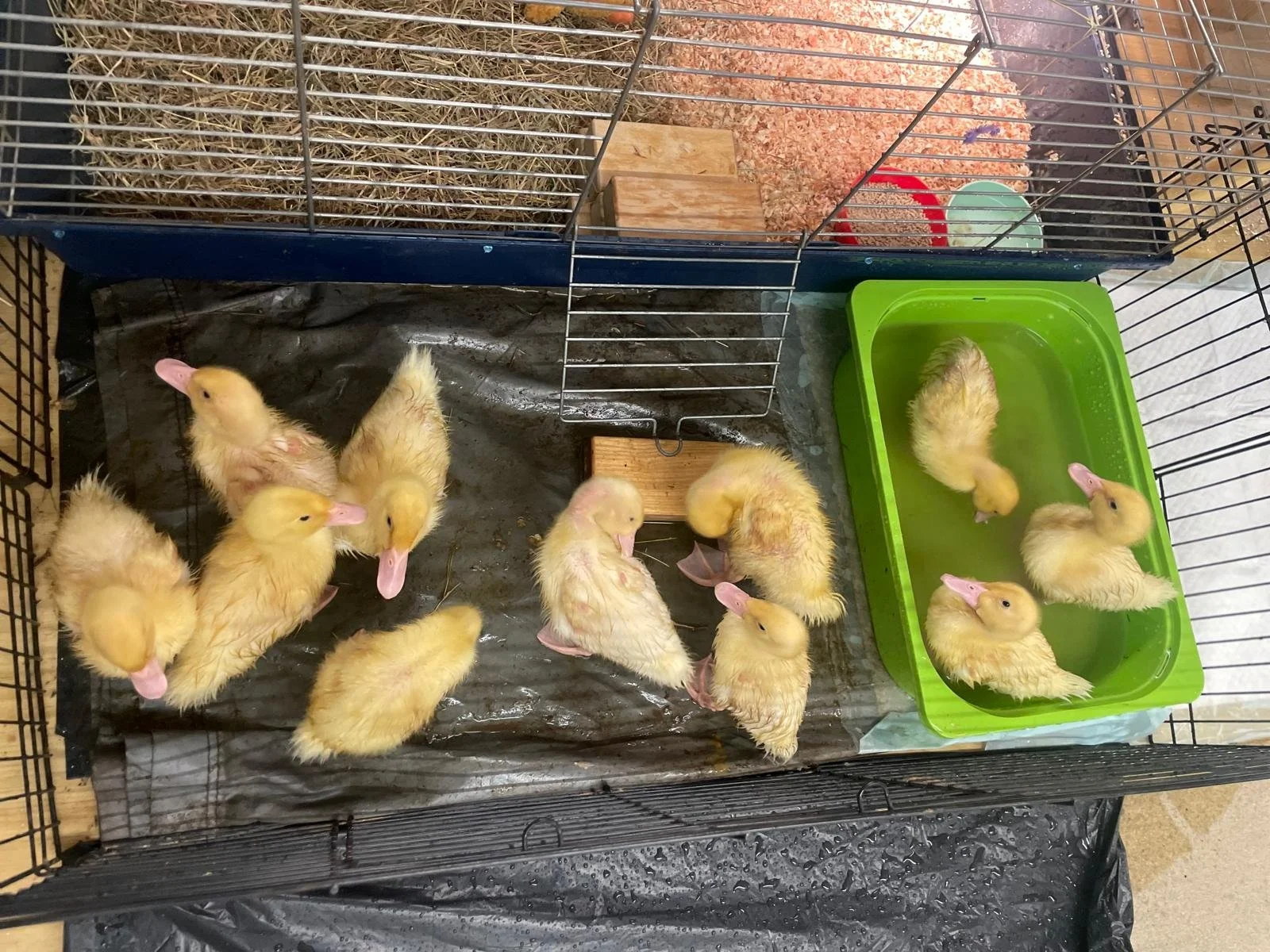
Our Farm School provision at Enchanted Wood Preschool offers children regular, meaningful access to a natural farm‑based environment where learning comes to life through hands‑on experiences. Children are supported to explore the outdoors, care for animals, grow plants, and develop a deep respect for nature through purposeful, play‑based learning.
Rooted in the Early Years Foundation Stage and informed by Forest and Farm School principles, our approach nurtures children’s confidence, communication, independence, and emotional wellbeing. The farm environment provides rich opportunities for sensory exploration, physical development, teamwork, and problem‑solving, while supporting children to build self‑esteem and resilience at their own pace.
The Farm School provision is fully integrated into the ethos of Enchanted Wood Preschool and is inclusive of children with additional needs. Activities are carefully adapted to ensure all children can access and benefit from the environment, supported by experienced staff who understand individual learning styles and developmental needs.
Through our Farm School, Enchanted Wood Preschool offers a unique, nurturing setting where children can thrive, develop curiosity, and build strong foundations for lifelong learning.
Personal, Social and Emotional Development (PSED)
Farm School provides consistent opportunities for children to:
Build confidence and self‑esteem through achievable outdoor tasks
Develop independence by caring for animals, tidying tools, and managing routines
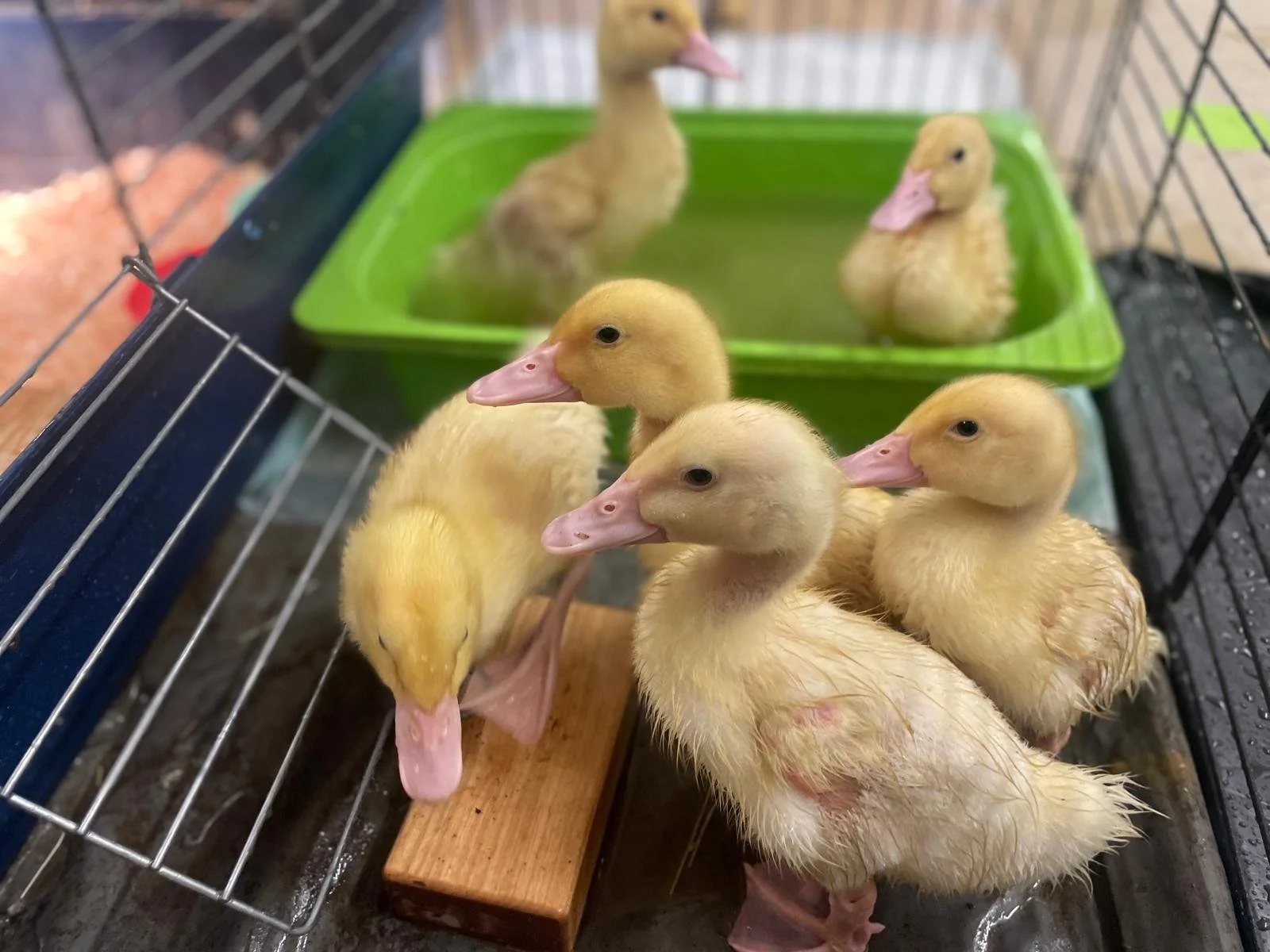
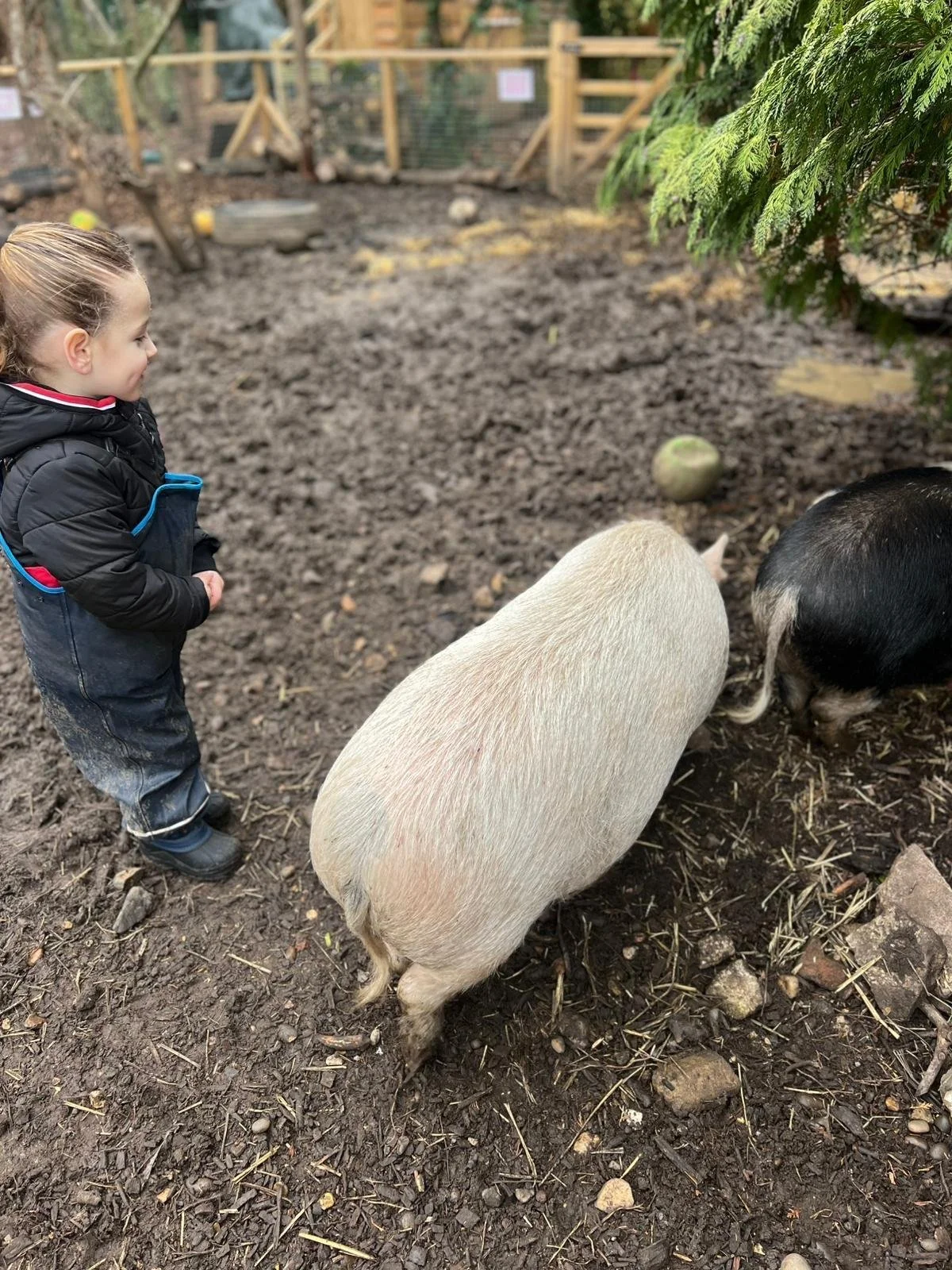
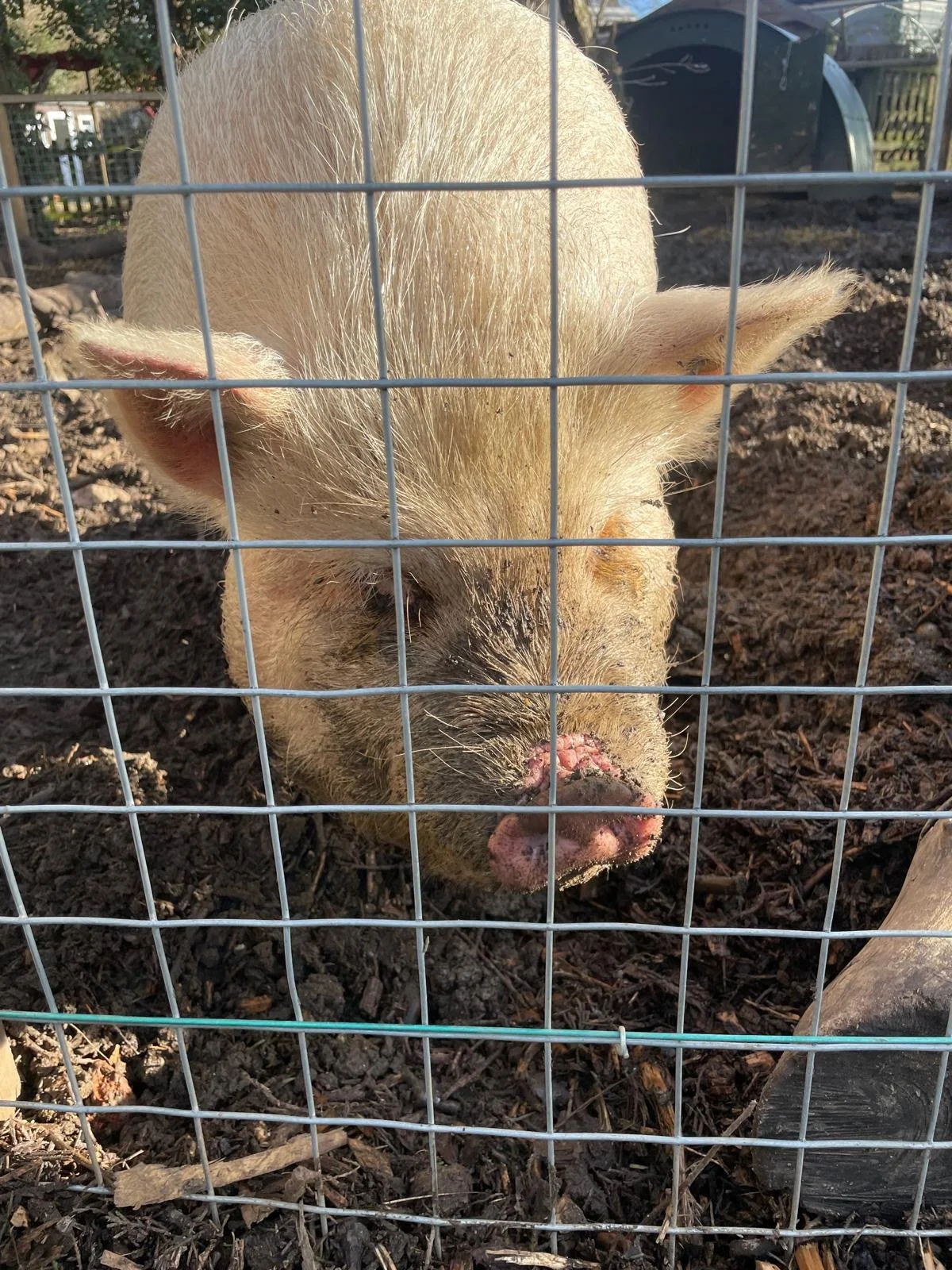
Learn empathy and responsibility through nurturing animals and working together
Practice turn‑taking, cooperation, and problem‑solving in group activities
Children are supported to manage emotions, take safe risks, and develop resilience in a calm, nurturing outdoor environment.
Communication and Language
The farm setting naturally encourages rich communication through:
Talking about animals, nature, and daily farm routines
Learning and using new vocabulary related to animals, tools, weather, and habitats
Listening to and following instructions during farm tasks
Engaging in storytelling, singing, and discussions linked to farm experience
Staff model language, extend vocabulary, and support children with additional communication needs using visual supports and repetition
Physical Development
Farm School supports both gross and fine motor development by:
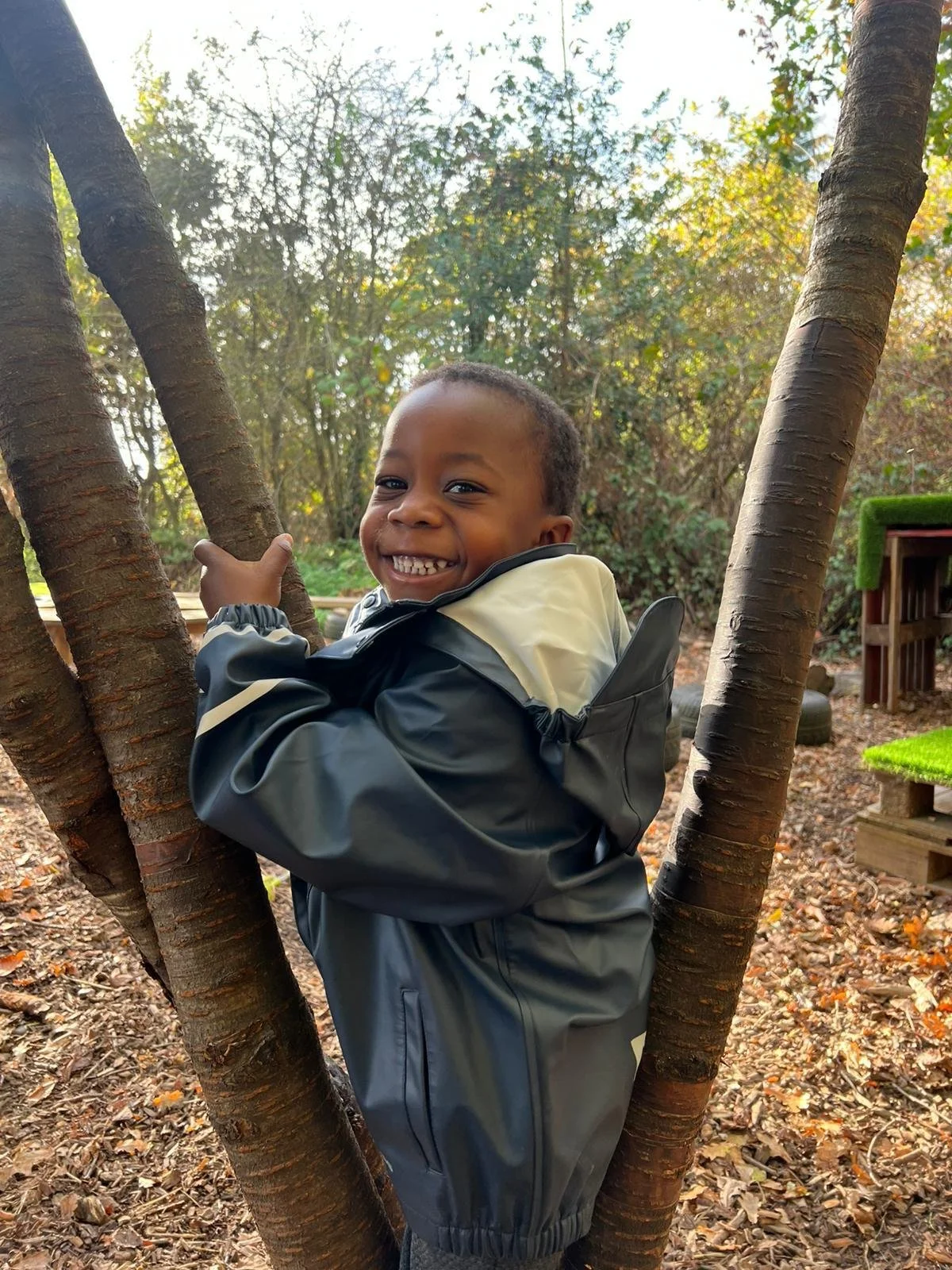
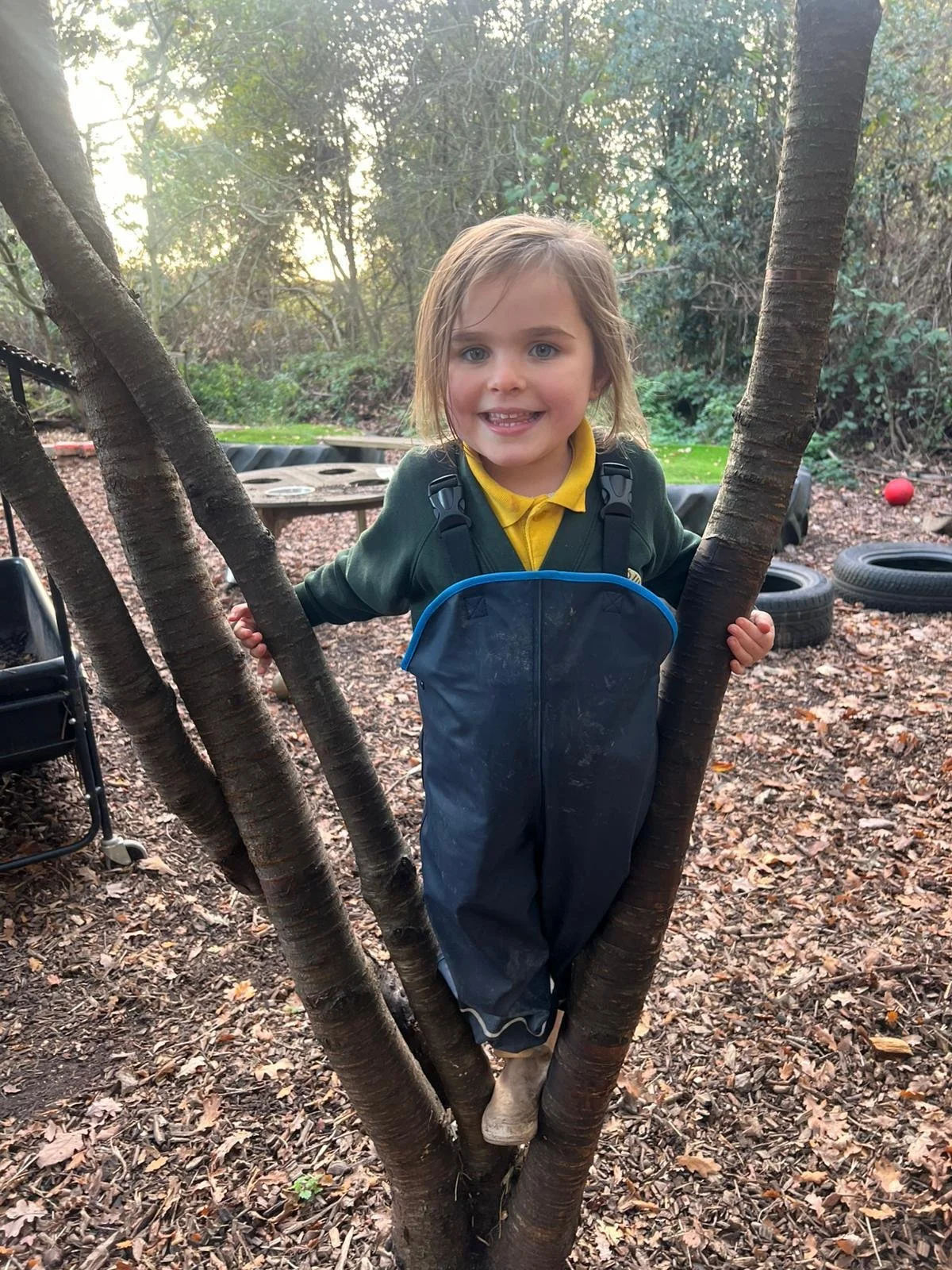
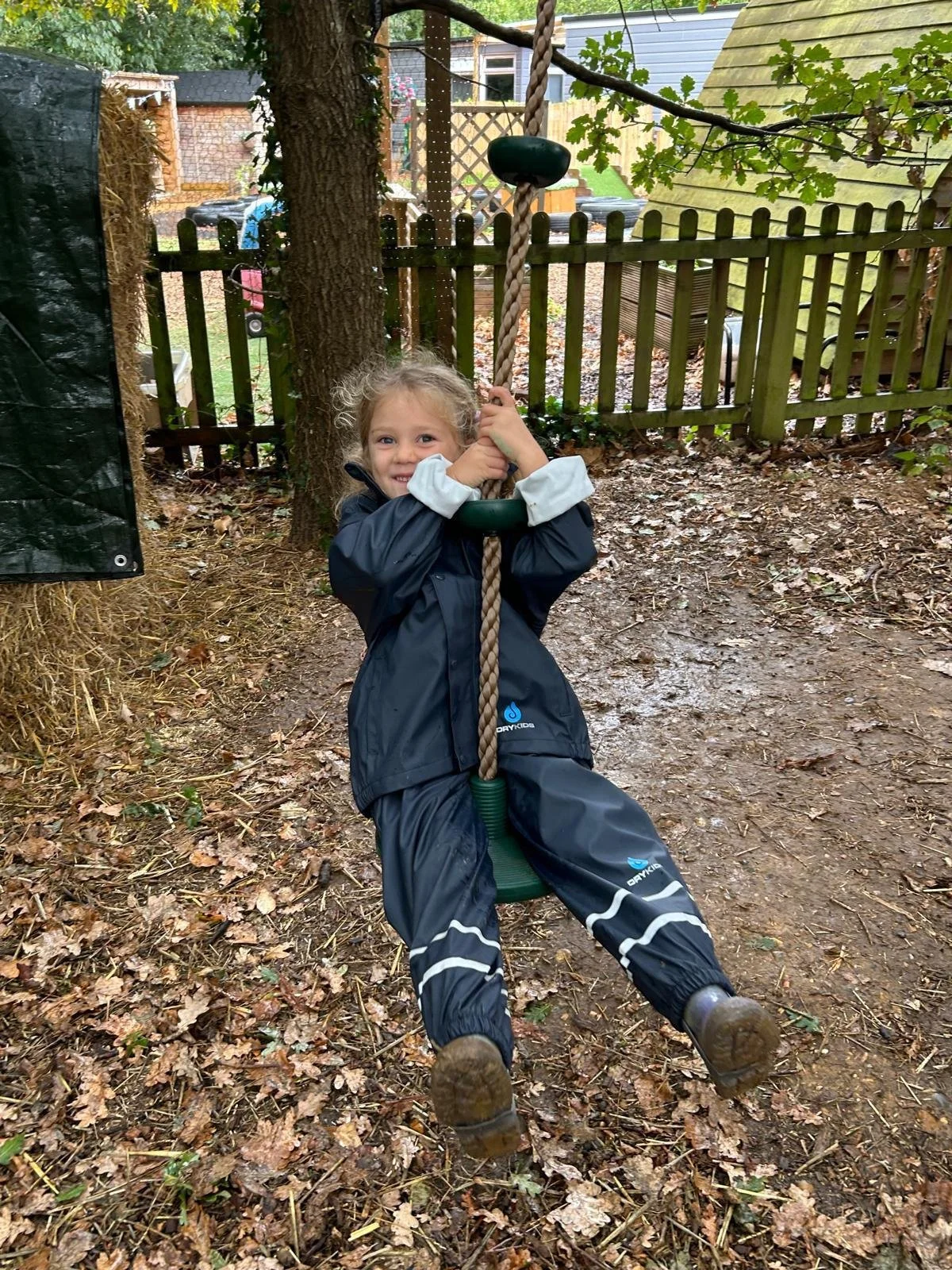
Climbing, balancing, walking on uneven ground, and lifting natural materials
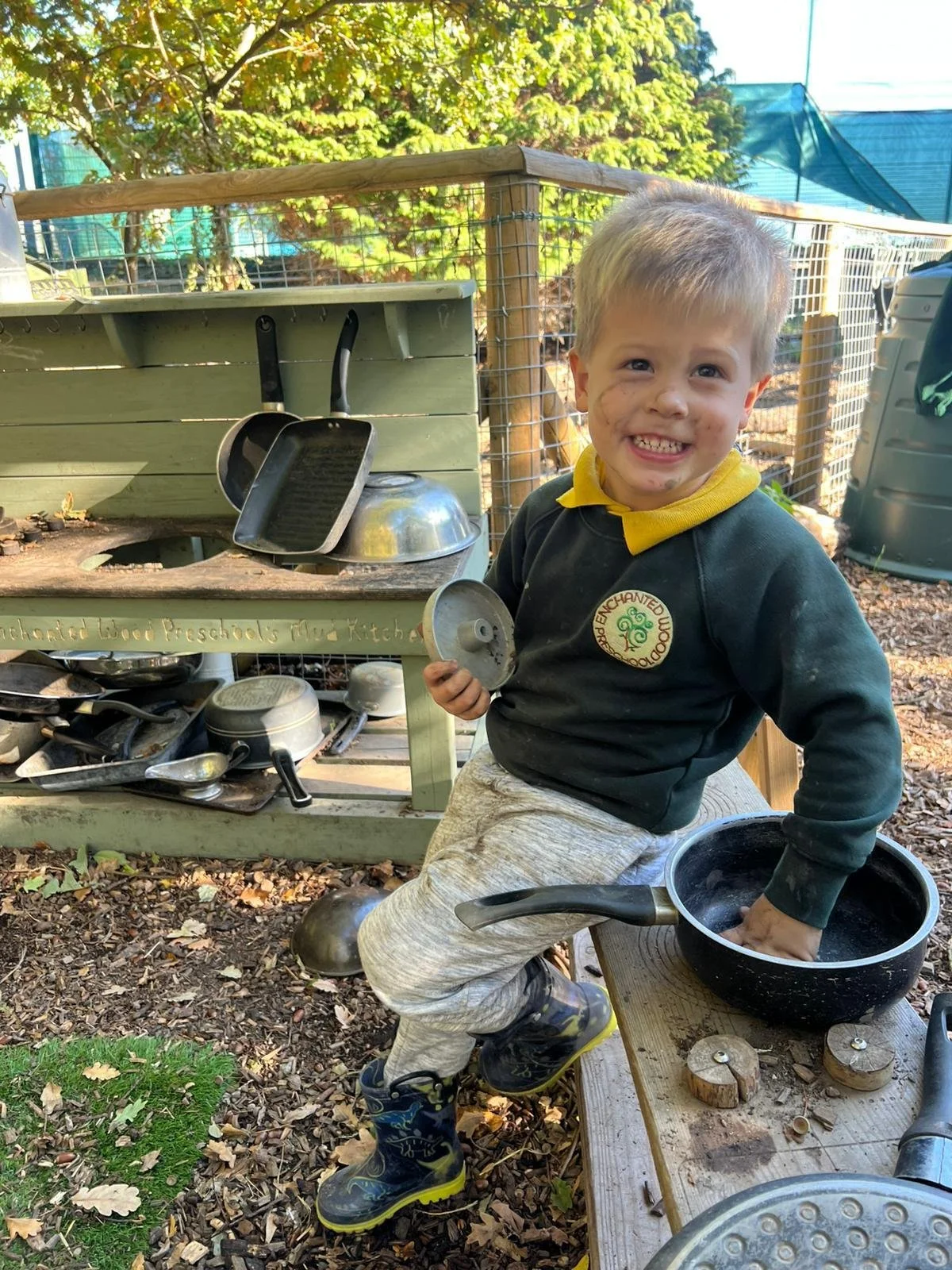
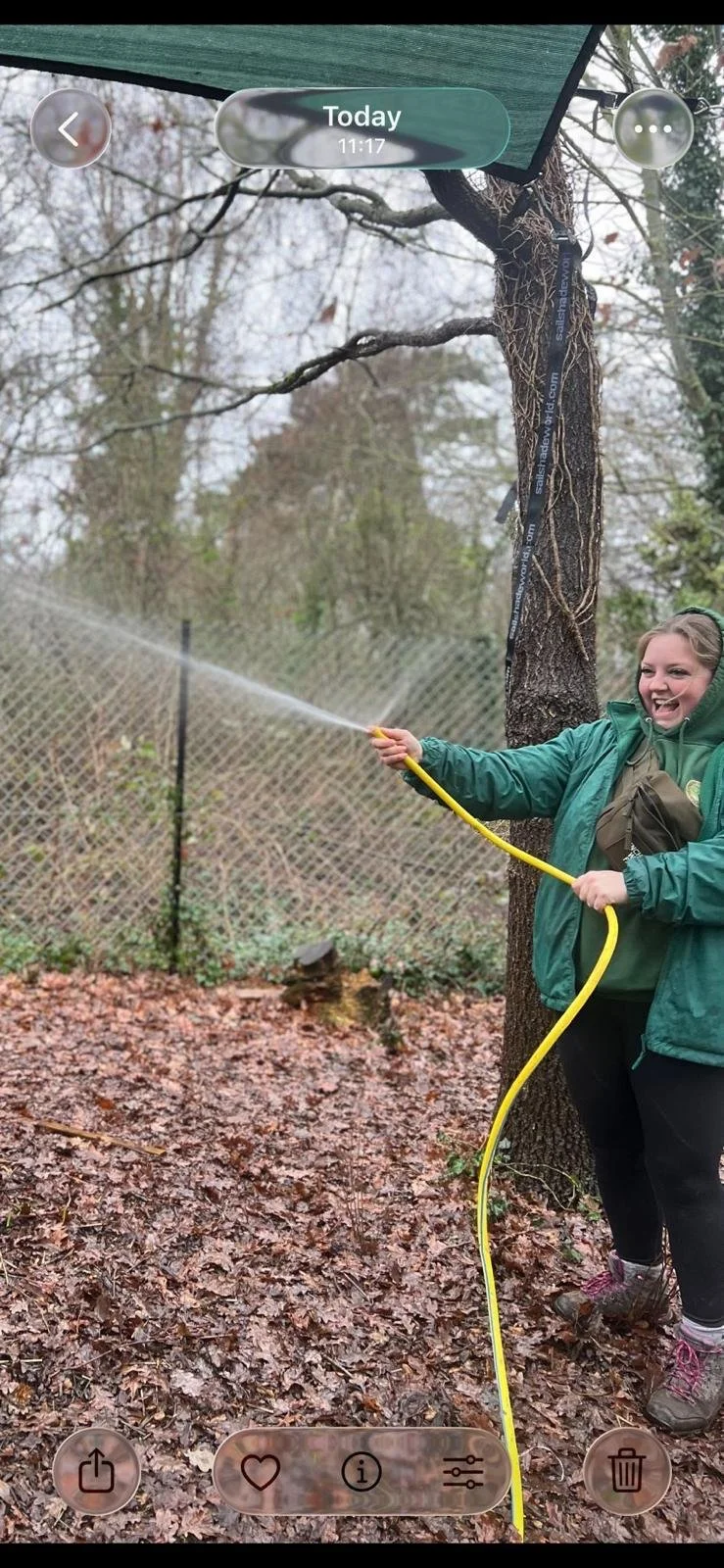
Using tools such as brushes, trowels, watering cans, and buckets
Developing hand strength and coordination through planting, feeding animals, and digging
Learning about health, safety, and self‑care when outdoors
Children gain strength, coordination, and body awareness through purposeful physical activity.
Literacy
Early literacy skills are encouraged through:
Sharing stories, songs, and rhymes linked to farm life and nature
Mark‑making and early writing opportunities outdoors (e.g. drawing animals, signs, maps)
Recognising and talking about environmental print
Developing listening, attention, and comprehension through group activities
Farm experiences provide meaningful contexts for developing language and early reading skills.
Mathematics
The farm environment supports mathematical understanding through:
Counting animals, eggs, tools, and natural objects
Comparing size, weight, quantity, and capacity
Exploring shape, space, and measures in real‑life situations
Understanding routines and sequencing events (feeding times, planting cycles)
Children develop problem‑solving skills and mathematical language through hands‑on experiences.
Understanding the World
Farm School offers rich learning opportunities by:
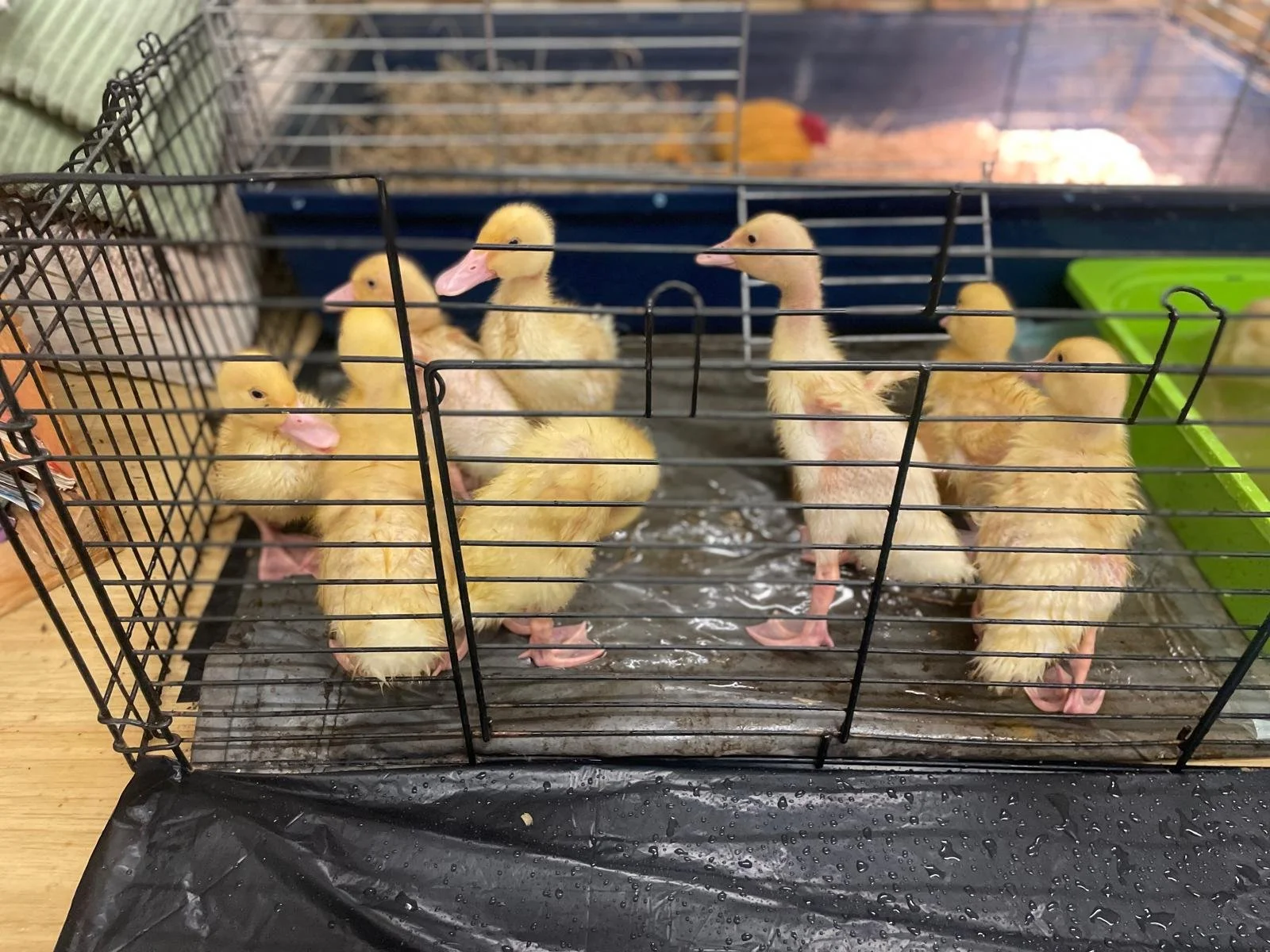
Learning about animals, plants, life cycles, and seasonal changes
Exploring where food comes from and how we care for the environment
Observing weather patterns and changes in nature
Encouraging curiosity, questioning, and investigation
Children develop respect for the natural world and an awareness of their role within it.
Expressive Arts and Design
Creativity is supported through:
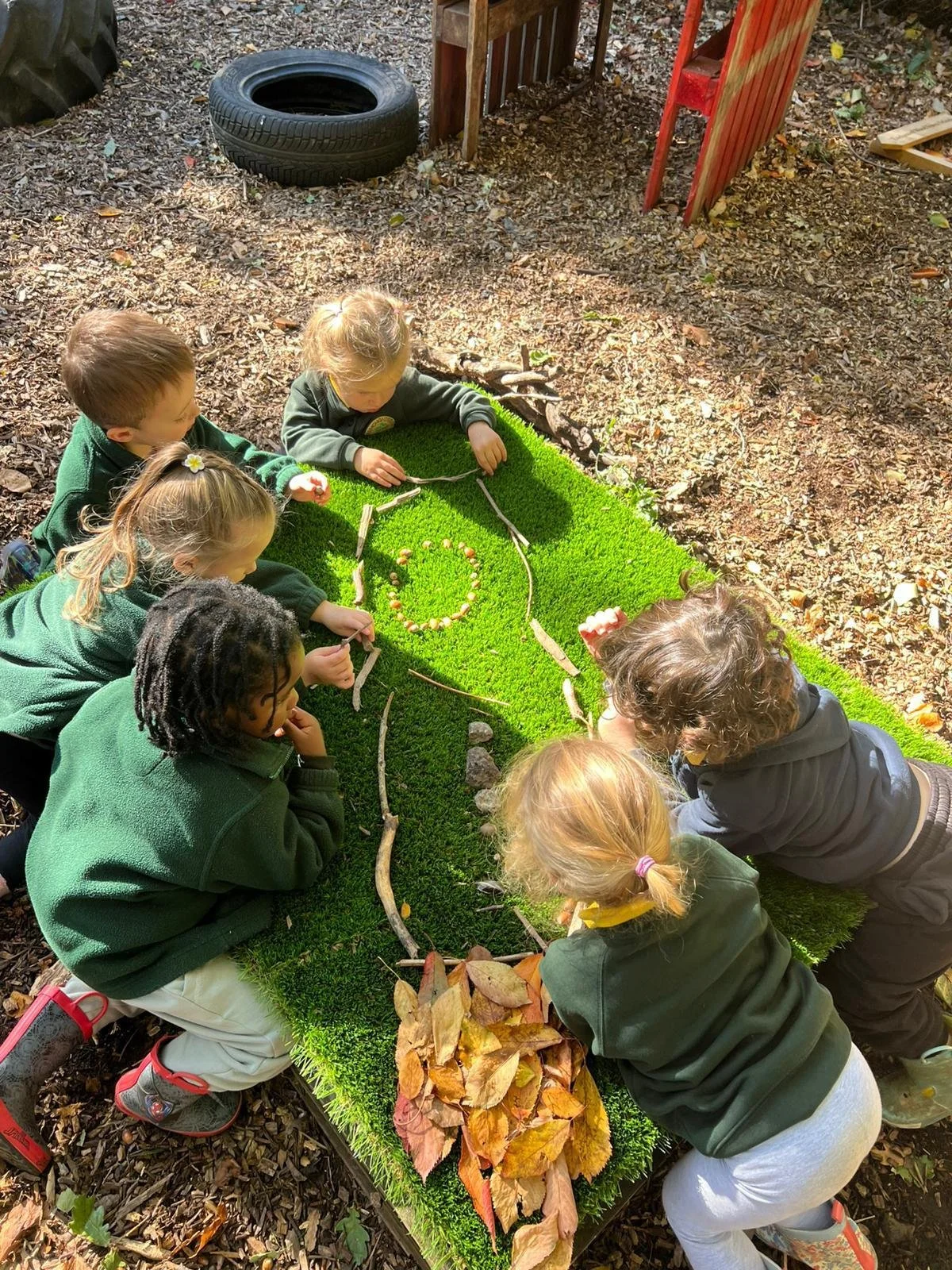
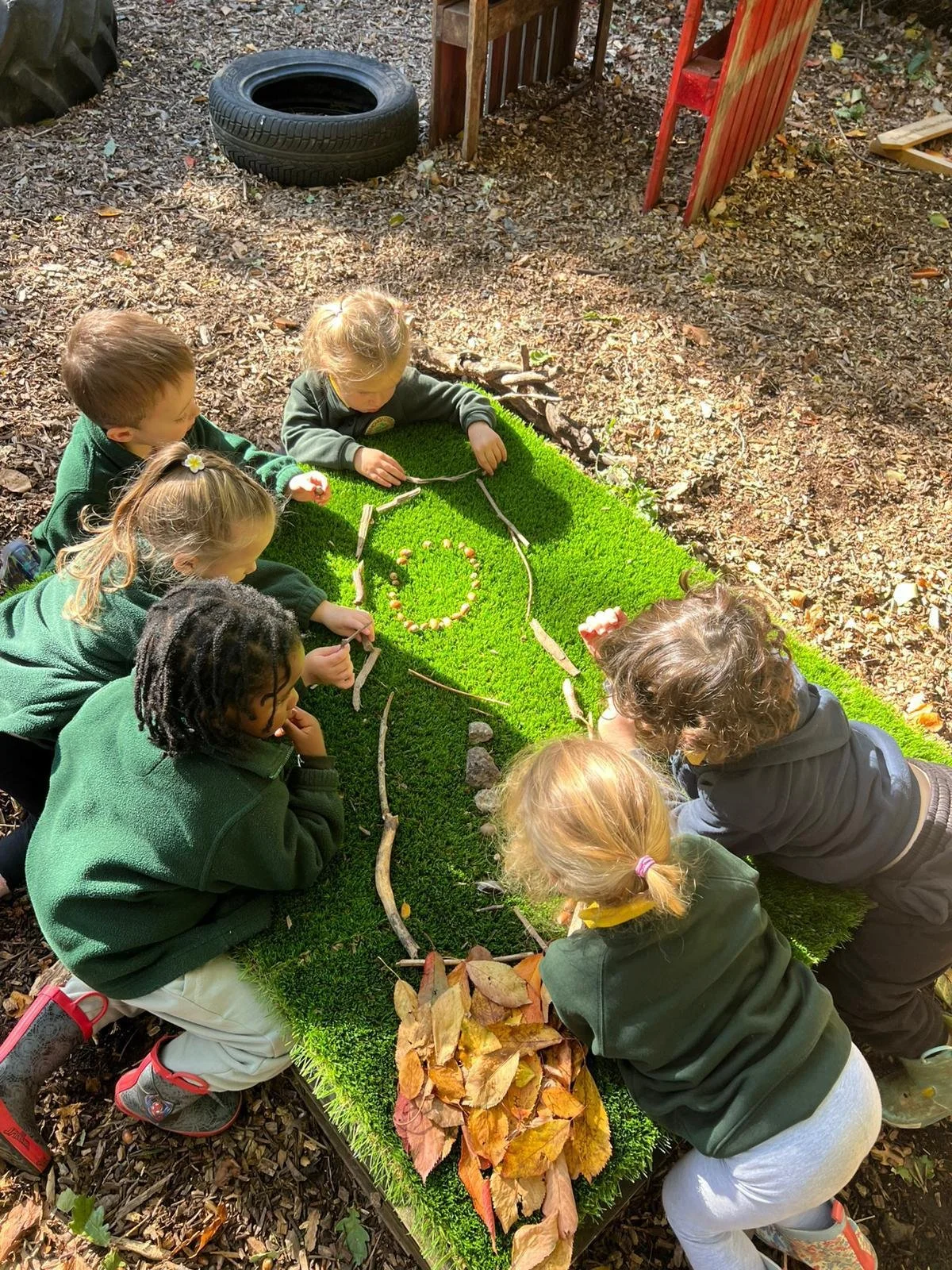
Open‑ended play using natural materials
Music, movement, role play, and storytelling inspired by farm life
Art and design activities such as building shelters, creating textures, and nature art
Imaginative play involving animals, farms, and outdoor adventures
Children are encouraged to express themselves freely and creatively in a natural setting.
Our Farm School at Bexley Park